::::::::::::::::::::::::::::::::::::::::::::::::::::::::::::::::::::::::::::::::::::::::::::::::::::
Laquer tree (urushi no ki)
***** Location: Japan
***** Season: Various, see below
***** Category: Plant
*****************************
Explanation
In a general sense, lacquer is a clear or coloured varnish that dries by solvent evaporation and often a curing process as well that produces a hard, durable finish, in any sheen level from ultra matte to high gloss and that can be further polished as required.
True lacquerwork is Chinese or Japanese in origin. Varnish resin derived from a tree indigenous to China, species Toxicodendron vernicifluum (formerly Rhus vernicifluum, Rhus verniciflua), commonly known as the varnish tree. These lacquers produce very hard, durable finishes that are both beautiful and very resistant to damage by water, acid, alkali or abrasion.
The contemporary theory held that from China, knowledge of lacquer technology was introduced to Korea, and from there to Japan. It was believed that Japan had also been using lacquer from ancient times, but the systematic process of application was developed by the Chinese. With the discovery of lacquer ware in Japan dating back to Jōmon period, conflicting theories claim that technology may have been independently developed in Japan. Trade of lacquer objects traveled through various routes to the Middle East. Known applications of lacquer in China included coffins, plates, music instruments and furniture. Lacquer mixed with powdered cinnabar is used to produce the traditional red lacquerware from China.
The trees must be at least 10 years old before cutting to bleed the resin. The sap is poisonous and causes extreme rashes.
The trees grow up to 20 m tall with large leaves, each containing from 7 to 19 leaflets (most often 11-13). The sap contains the allergenic compound urushiol, which gets its name from this species' Japanese name urushi (漆).
Urushi is a very strong adhesive.
The leaves, seeds, and the resin of the Lacquer Tree are sometimes used in Chinese medicine for the treatment of internal parasites and for stopping bleeding. Compounds butein and sulfuretin have antioxidative, and aldose reductase and advanced glycation endproducts inhibitory effects.
© More in the WIKIPEDIA !
:::::::::::::::::::::::::::::::::::::::::::::::::::::::::::::::::::::::::::::::::::::::::::::::::::
kigo for late spring
no urushi 野漆 (のうるし) "wild laquer"
Euphorbia adenochlora Morr. et Decne
sawaurushi, sawa urushi 沢漆(さわうるし)Sun Spurge
lit. "swamp laquer"
Euphorbia helioscopia
toodaigusa 燈台草 (とうだいぐさ)
suzuburibana 鈴振花(すずふりばな)"flower with swinging bells"
Euphorbia helioscopia is a species of spurge native to most of Europe, northern Africa, and eastward through most of Asia.
© More in the WIKIPEDIA !
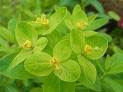
These plants are NOT related to the laquer tree, despite their Japanese name.
:::::::::::::::::::::::::::::::::::::::::::::::::::::::::::::::::::::::::::::::::::::::::::::::::::::
kigo for mid-summer

urushikaki 漆掻 (うるしかき)
urushi-liquid collectors. lacquer-tappers, laquer sap collectors
urushi kaku 漆掻く(うるしかく)
scratching the laquer tree
"bleeding the laquer tree"
"slashing the laquer tree" to collect the sap
This is a job of specialists, making insertions in the tree bark and scratching the liquor bit by bit, over many weeks in summer. They used to make good money in olden times, but now with chemicals, are almost out of their jobs. Some rural communities are trying to revive the laquer tree plantations and the use of "true" Japanese laquer for art.
:::::::::::::::::::::::::::::::::::::::::::::::::::::::::::::::::::::::::::::::::::::::::::::::::::::
kigo for autumn
urushi momiji 漆紅葉 (うるしもみじ)
red leaves of the laquer tree

They are especially splendid.

kigo for late autumn
urushi no mi 漆の実 (うるしのみ ) fruit of the laquer tree
:::::::::::::::::::::::::::::::::::::::::::::::::::::::::::::::::::::::::::::::::::::::::::::::::::::
Daruma made from Laquer Ware
My PHOTOS
General Reference
*****************************
Worldwide use
*****************************
Things found on the way
In my story about Kamakura-bori, Laquer from Kamakura, I introduced the main techniques and some Daruma figures. Read the full story here:
Kamakurabori - Daruma and Laquerware
In the story about Wakasa Laquer, more Daruma figures are introduced.
Wakasa Daruma ― Daruma of Laquer and Agate Stone
:::::::::::::::::::::::::::::::::::::::::::::::::::::::::::::::::::::::::::::::::::::::::::::::::::::
. Hita urushi日田漆 laquerware from Hita .
Oita, Kyushu

相澤漆器 Aizawa laquer shop - Daruma
:::::::::::::::::::::::::::::::::::::::::::::::::::::::::::::::::::::::::::::::::::::::::::::::::::::
coffee made from the beans of the laquer tree
うるしコーヒー urushi koohii, "laquer coffee"
漆の実のコーヒー urushi no mi koohii
The fruit of the tree has a lot of wax particles, which can be extracted and make candles too. After extracting the wax, the beans are dried and then used for drip coffee.
. . . CLICK here for Photos !
WASHOKU
DRINKS SAIJIKI
*****************************
HAIKU
暗闇で昼飯を喰ふ漆かき
kurayami de hirumeshi o kuu urushi-kaki
in the darkness
they eat their lunch -
laquer sap collectors
anonymous
http://geocities.yahoo.co.jp/dr/view?member=sjshlret
:::::::::::::::::::::::::::::::::::::::::::::::::::::::::::::::::::::::::::::::::::::::::::::::::::::
[ . BACK to DARUMA MUSEUM TOP . ]
[ . BACK to WORLDKIGO . TOP . ]
:::::::::::::::::::::::::::::::::::::::::::::::::::::::::::::::::::::::::::::::::::::::::::::::::::::


 Posts
Posts


