[ . BACK to WORLDKIGO TOP . ]
::::::::::::::::::::::::::::::::::::::::::::::::::::::::::::::::::::::::::::::::::::::::::::::::::::
Forest work in all seasons
***** Location: Japan
***** Season: Winter, others see below
***** Category: Humanity
*****************************
Explanation
Winter is a time to tend to the forests, when the trees have less sap and can be cut.
Making charcoal was also mostly done in winter during the agricultural off-season (nookanki 農閑期).
:::::::::::::::::::::::::::::::::::::::::::::::::::::::::::::::::::::::::::::::::::::::::::::::::::
Kigo for early winter
botan takibi 牡丹焚火 (ぼたんたきび / 焚き火) bonfire from peony branches
botan taku 牡丹焚く(ぼたんたく)burning peony branches
botan kuyoo 牡丹供養(ぼたんくよう) memorial service for peonies
 . . . CLICK here for Photos !
In some parts of Northen Japan, especially in Sugakawa 須賀川, the branches of old peony plants are cut off and burned at night at a temple or peony park. The flames have a violet and greenish color in the cold winter night.
 shuro hagu 棕櫚剥ぐ (しゅろはぐ) stripping a hemp-palm
... shuro muku 棕櫚むく(しゅろむく)peeling off a hemp-palm
Trachycarpus fortunei. Hanfpalme
The fibers of the bark were used to make tough cloth or hemp-palm brooms.
This tree grows to a hight of about 5 meters in the forest of the warmer parts of Japan. When the bark is peeled off, it will grow back soon.
ーーーー
kigo for early summer
shuro no hana 棕櫚の花 (しゅろのはな)
blossoms of the hemp-palm
..... hana shuro 花棕櫚(はなしゅろ)
..... shuro no hana 椶櫚の花(しゅろのはな)
:::::::::::::::::::::::::::::::::::::::::::::::::::::::::::::::::::::::::::::::::::::::::::::::::::
Kigo for mid-winter
kuruma shimau 車蔵う (くるましまう) packing the cart away
... kuruma sutsu 車棄つ(くるますつ)
In former times, the wooden carriages and carts could not be used in the snowy areas of Japan. They were taken apart, the wheels put up high on the wall, the side panels sometimes used to enforce the northern wall of the home. Or the carts and carriages were just put into a special barn.
.................................................................................
preparations for the end of the year
. ono jimai 斧仕舞 (おのじまい ) packing away the axes
toshikikori, toshiki kori, toshi kikori 年木樵 (としきこり)
cutting firewood for the new year
toshiki tsumu 年木積む(としきつむ)collecting firewood for the new year
toshiki uri 年木売(としきうり)vendor of firewood for the new year
firewood kigo for the New Year
toshigi としぎ【年木/歳木】 "firewood for the New Year"
..... wakagi 若木(わかぎ)"young firewood"
..... sechigi 節木(せちぎ)firewood for the changing season
..... iwaigi 祝木(いわいぎ)firewood for the celebration
..... hogi 穂木(ほぎ)
..... tawaragi 俵木(たわらぎ)
oniuchigi, oni uchigi 鬼打木 (おにうちぎ)
firewood to ward off the demons
It was used during the first 15 days of the New Year.
onigi 鬼木(おにぎ) "demon's firewood"
oniyokegi 鬼除木(おによけぎ)
firewood to keep the demons away
..... onisaegi, oni saegi 鬼障木(おにさえぎ)
onioshigi 鬼押木(おにおしぎ)
oniuchiboo, oni uchiboo 鬼打棒(おにうちぼう)
juunigaki 十二書き(じゅうにがき)
"writing 12"
a piece of cut firewood with the letters "二月”used as a decoration and burend on January 15.
..... nyuugi (にゅうぎ, 新木) "new wood"
oogatama no ki 大賀玉の木(おおがたまのき)
 kadonyuudoo, kado nyuudoo 門入道(かどにゅうどう)
"tonsured goblin the gate"
Two simple dolls, male and female, with simple eyes, nose and mouth painted in ink. They are put up at the entrance to the home to ward off evil. This is a custom of the Tohoku region.
. Nyuudoo 入道 priests and goblins .
. NEW YEAR
KIGO for HUMANITY
:::::::::::::::::::::::::::::::::::::::::::::::::::::::::::::::::::::::::::::::::::::::::::::::::::
Kigo for late winter
 maruta hiki
 丸太曳 (まるたひき) transporting logs (timber)
... maruta dashi 丸太出(まるただし)
... yabudashi 藪出(やぶだし)
In times without maschinery, that was hard labor. One or two large stems were bound together and transported out of the forest by horses or cows on special paths for that purpose.
:::::::::::::::::::::::::::::::::::::::::::::::::::::::::::::::::::::::::::::::::::::::::::::::::::
Kigo for all winter
edauchi, eda-uchi 枝打 (えだうち) cutting off branches
kareki oroshi 枯木卸し(かれきおろし)cutting off dried wood
(see below)
fuyusoma, fuyu soma 冬杣 (ふゆそま)forest worker, woodcutter
Some work in the forest during the daytime (higaeri soma) and to home in the evening, others wander around and stay in a small hut for a few days (nagare soma) and then move on to the next job.
Waldarbeiter, Holzäfller (somabito そまびと)
.................................................................................
. sumi 炭 (すみ) charcoal
binchootan 備長炭 special charcoal from Wakayama
a kigo list about charcoal types
sumigama 炭竈 (すみがま) kiln for charcoal
... sumiyakigama 炭焼竈(すみやきがま)
sumiyaki 炭焼 (すみやき)making charcoal
hut used for making charcoal 炭焼小屋(すみやきごや)
. . . CLICK here for Photos !
sumiyakifu 炭焼夫(すみやきふ)worker making charcoal
... yakigo 焼子(やきご)
... sumioi me 炭負女(すみおいめ)woman carrying charcoal
sumiuma, sumi-uma 炭馬(すみうま)horse carrying charcoal
sumiguruma 炭車(すみぐるま)cart transporting charcoal
sumizori 炭橇(すみぞり)sled transporting charcoal
Making charcoal was not a specialized work, but most farmers did it in the back woods of their home to use as heating. It was also done during other seasons, when they could sell their charcoal well. It takes about a week to cut the necessary wood and fire it in a special kiln.
. sumigama 炭竈 と伝説 Legends about charcoal kilns .
::::::::::::::::::::::::::::::::::::::::::::::::::::::::::::::::::::::::::::::::::::::::::::::::::::
quote
Forestry
In the
Edo period, forests were important for the flood control and to prevent soil erosion. Many mountains were declared "closed mountains" of a domaine to protect the trees. Tree felling by private people was not allowed and regulated by the domaine officials for forestry.
Modern Japan
The nation's forest resources, although abundant, have not been well developed to sustain a large lumber industry. Of the 245,000 km² of forests, 198.000 km² are classified as active forests. Most often forestry is a part-time activity for farmers or small companies. About a third of all forests are owned by the government.
Production is highest in Hokkaido and in Aomori, Iwate, Akita, Fukushima, Gifu, Miyazaki, and Kagoshima prefectures. Nearly 33.5 million cubic meters of roundwood were produced in 1986, of which 98 % was destined for industrial uses.
The Japanese forest industry has been defeated by cheap wood shipped from abroad.
© More in the WIKIPEDIA !
:::::::::::::::::::::::::::::::::::::::::::::::::::::::::::::::::::::::::::::::::::::::::::::::::::::
edauchi, eda-uchi 枝打 (えだうち)
cutting off branches
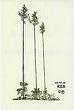
This care for the forest trees is especially important for a kind of cedar, the
Daisugi of Kitayama, in Northern Kyoto 北山台杉.
Kitayama cedars (Cryptomeria japonica). "Migaki Maruta"
The forest is owned by the same family for many generations, especially in Nakagawa village.
To cut the branches, each forest worker has his own sickle and a whetstone (toishi 砥石(といし), which he finds in the river up the forest and keeps as a precious personal tool. There is a saying in the area:
"Never lend these two things:
your wife and your whetstone!"
The tree is usually cut when it has about 20 year rings, which are very narrow to show the strength of the material when used for building.
 quote
quote
When a cedar becomes 5 to 6 year-old, we cut most branches, just leaving some branches on the top protion of the tree, designated "Hosaki"and the bottom protion, which is designated "Tori-ki" and will serve as a basis for young newly growing branches, in the future. The main trunk is now called "Tachi-ki".
After this process, we cut branches of newly growing branches on the "Tori-ki" in addition to the main trunk, "Tachi-ki" every other year until the main trunk grows big enough as building materials. Once we cut the main trunk "Tachi-ki", we select some of the best newly growing branches on "Toriki" for future "Tachi-ki" and cut other branches. Among many young branches, ones growing straight to the sky are considered to be the best.
Fore more than 600 years, we have been repeating these processes in order to produce as many logs as possible, and there are some "Daisugi" threes which are more than several hundred years old.
We has been growing "Daisugi" cedars to collect logs for more than 600 years. Collected logs had been used to build
"Sukiya"-styled tea houses. However, the large demand of logs due to the wide spread of the modern "Sukiya"-style after the World War II exceeded our supply. In addition, some of young logs from "Daisugi" cedars are called "Taru-ki", and they are no longer used to build houses due to a change in the law. Because of these events, the way we produce cedar log changed dramatically and demand of "Daisugi" decreased. .
However, the excellent figure of "Daisugi" is now loved by many peope and "Daisugi" cedars are used in Japanse gardens as well as golf yards.
source :
http://www12.ocn.ne.jp/~ydaisuke/page035.html
Since the tradition has been revived, there are now also some young forest workers who learn the tradition from their peers. Whith small ladders they climb the trees and whack away the branches. It must be done in a way as not to make too large a wound on the tree, in one sharp cut, so that the ast hole will become a beautiful pattern for the log as the tree keeps growing and ageing.
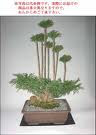
The Daisugi trees are also used for bonsai nowadays.
. . . CLICK here for Photos !
 枝打ちの伝統ありて今もなお
eda-uchi no dentoo arite ima mo nao
keeping the tradition
of cutting cedar branches ...
even now
Gabi Greve, November 2009
杉木立朝日を浴びて蒸す如く
sugikodachi asahi o abite musu gotoku
lanes of cedar trees
shine with the sun rise
and grow in mist
Terry Ishii
Seattle WA USA , November 2009
::::::::::::::::::::::::::::::::::::::::::::::::::::::::::::::::::::::::::::::::::::::::::::::::::::
Forest kigo, category PLANTS
kigo for all spring
shunrin 春林 (しゅんりん)
forest in spring
..... haru no mori 春の森(はるのもり)
haru no ki 春の樹(はるのき)tree in spring
sugikafun 杉花粉 pollen from cedars
matsukafun 松花粉 pollen from pines
sugi kafun / matsu kafun
*****************************
Worldwide use
*****************************
Things found on the way
yamagatsu 山賤(やまがつ) / 山賎 woodcutters
kikori きこり【樵/木樵】 people who cut and transport wood out of the forest
somabito 杣人 (そまびと), yamashizu やましず / 山賤(やましづ)
They were usually poor folk who spent the winter months in the forest, making a small living cutting wood for the owners of the forest.
karyuudo かりゅうど【狩人/猟人】
hunter, huntsman are something different and have a different purpose for going into a forest.
山賤(やまがつ) のおとがひ閉る葎かな
yamagatsu no otogai tozuru mugura kana
the poor loggers
have to keep their mouths shut
(because of) so many cleaver weeds
Tr. Gabi Greve
Written in 貞亨2年, Basho age 43.
Basho was on his way in Nozarashi Kiko and stayed at Yamura in Koshu 甲州谷村 (Yamanashi).
The cut marker KANA is at the end of line 3.
. Matsuo Basho 松尾芭蕉 - Archives of the WKD .
Discussion of various translations
. mugura 葎 (むぐら) cleavers
Larry Bole coments:
'Yamagatsu' have been written about as far back as the era of Heian Court poetry. One can find various translations of the word on the internet, such as "woodsman," "mountaineer," even "hillbilly."
Heian Court poets apparently wrote about 'yamagatsu' from the standpont of peasant exoticness , or from finding unexpected beauty among them.
An example, cited in Awesome Nightfall: The Life, Times, and Poetry of Saigyo, by William R. LaFleur:
ana koishi ima mo miteshi ga yamagatsu no
kakiho ni sakeru yamato nadeshio
oh sweet yearning if
only I could meet here once
more...the delicate
Japanese carnation that bloomed
on the mountain peasant's fence
trans. Laurel Rasplica Rodd
LaFleur says:
Kubota remarks that in such poems, typical of the court, the speaker places himself physically close to the fence or home of the 'yamagatsu' peasant but, entirely caught up in his own affairs, pays absolutely no attention to the life of actual peasants.
By contrast, Saigyo writes of the 'yamagatsu' in the following way:
yamagatsu no suminu to miyuru watari kana
fuyu ni aseyuku shizuhara no sato
What I see when I
look around at the dwellings
of poor mountain people:
colors get fainter in so quiet
a village in mid-winter.
"Even when physically at a distance from them, Saigyo notices the people and their livelihood," writes Kubota.
So, what was so remarkable about this "woodcutter" that caught Basho's attention? Were they notorious chatterboxes, so that Basho noted that the tall grass shut one up, from not wanting to get grass in his mouth as he talked and talked?
Read the full discussion here:
by Larry Bole, Haiku Translation Forum
Are these just woodcutters who are cutting and gathering firewood to use for their own fires and to sell to others as firewood? Or are these loggers or lumberjacks, who are cutting down big trees to provide lumber for various kinds of construction?
If these are more like loggers/lumberjacks, then woodcutter in English would be misleading. And if they are more like loggers/lumberjacks, how did they get the tree trunks out of the forests? Like they used to do here, with teams of horses or mules, and chains?
. . . MORE .. questions from Larry Bole
yamagatsu
seem to have been professionals, so "logger" might be a better translation.
Firewood for the farmers was cut from the "satoyama" behind the village. It was used for cooking and keeping the open hearth fire in the kitchen of a farmhouse.
. Satoyama 里山 (さとやま) forests and mountains
:::::::::::::::::::::::::::::::::::::::::::::::::::::::::::::::::::::::::::::::::::::::::::::::::::::::
. Edo craftsmen 江戸の職人 .
tsukegi 付木startwood for fire, "match"

made from scraps of cedar wood with sulphur painted on one side.
The sulfur part was held close to a hearth fire and when it caught fire, the scrap could then be used to light another fire or candle in a lamp.
The craftsmen who made these pieces were called
tsukegi shi 付木師 Tsukegi makers
or
tsukegi 付木突き tsukegi cutters.
 from
from 『今様職人尽百人一首』
By the end of the Edo period there were more than 500 in Edo.
They used special tools, one of them the shoojiki 正直 Shojiki blade and a shoojikidai 正直台 stand to use the Shojiki. The scraps would fall on the ground.
tsukegiya 付木屋 dealer of Tsukegi
 source : 20century.blog2.fc2.com
Kitchen fire in Edo was usually started by the housewife with a flintstone and tinder and needed some skill.
. hiuchi, hi-uchi 火打ち striking a fire .
女房が留守で付木を使いすぎ
nyoobo ga rusu de tsukegi o tsukaisugi
when the wife is not home
he uses
too many matches
Senryu in Edo
tsukegi uri 付木売り selling wood scraps to light a fire
 . Doing Business in Edo .
:::::::::::::::::::::::::::::::::::::::::::::::::::::::::::::::::::::::::::::::::::::::::::::::::::::::
Charcoal Setting (sumi temae 炭点前)
for the tea ceremony
::::::::::::::::::::::::::::::::::::::::::::::::::::::::::::::::::::::::::::::::::::::::::::::::::::
The woodcutter
works in all seasons.
Splitting wood is both
Action and inaction.
Tao Te Ching, Verse 64
*****************************
HAIKU
 source : ajian - msaka
秋風や酒肆に詩うたふ漁者樵者
source : ajian - msaka
秋風や酒肆に詩うたふ漁者樵者
akikaze ya shushi ni shi utau gyosha shosha
this autumn wind -
in the sake shop reciting poetry
fishermen and woodcutters
Tr. Gabi Greve
. WKD : Yosa Buson 与謝蕪村 in Edo .
:::::::::::::::::::::::::::::::::::::::::::::::::::::::::::::::::::::::::::::::::::::::::::::::::::::
牡丹焚火山河は闇に納まれり
botan takibi sanga wa yami ni osamareri
peony bonfire -
the mountain landscape settles
in the darkness
Kohiyama Shigeko 小檜山繁子
MORE haiku with botan takibi
sanga refers to the mountains and rivers of one's natural sourroundings of ones native place.
:::::::::::::::::::::::::::::::::::::::::::::::::::::::::::::::::::::::::::::::::::::::::::::::::::::
筏士が飯にかけたる蛍かな
ikadashi ga meshi ni kaketaru hotaru kana
the master raftsman
sprinkles them on his rice --
fireflies
Kobayashi Issa 一茶
:::::::::::::::::::::::::::::::::::::::::::::::::::::::::::::::::::::::::::::::::::::::::::::::::::::
年木樵無灯自転車にて帰る
toshiki kori mutoo jitensha nite kaeru
transporting firewood
I drive home on a bicycle
without a light
Tsuji Momoko 辻桃子
MORE haiku with toshikikori
::::::::::::::::::::::::::::::::::::::::::::::::::::::::::::::::::::::::::::::::::::::::::::::::::::
Winding road at dusk
the logger slows down
for a deer
Darrell Lindsey (USA)
Award
Basho's 360th Anniversary Web Haiku Contest 2004
source : www.mietimes.jp
*****************************
Related words
In spring, trees are grafted or planted.
Cut timber and logs used to be transported out of the forest with rafts.
kigo for mid-spring
naegi 苗木市 (なえぎいち) market for tree saplings
naegi uri 苗木売(なえぎうり)vendor of tree saplings
sashiki 挿木 (さしき/ 挿し木) plant a cutting
sashiho 挿穂(さしほ)
sashime 挿芽(さしめ)
sashiba 挿葉(さしば)
sashidoko 挿床(さしどこ)
sentei 剪定 (せんてい) pruning
sentei ki 剪定期(せんていき)time for pruning
senshi 剪枝(せんし)pruning branches
tsugiki, tsugi-ki 接木 (つぎき / 接ぎ木) grafting
..... tsugiho 接穂(つぎほ)
daigi 砧木(だいぎ)stock, rootstock
tsugiki nae 接木苗(つぎきなえ)scion
metsugi 芽接(めつぎ)grafting buds
kiritsugi 切接(きりつぎ)
netsugi 根接(ねつぎ)grafting roots
Grafting in the WIKIPEDIA !
..........................................
hatsu ikada 初筏 (はついかだ) first raft
ikada matsuri 筏祭(いかだまつり)raft festival
shobatsushiki 初筏式(しょばつしき) first raft ceremony
. . . CLICK here for Photos !
kinagashi 木流し (きながし )
transporting timber on the river
..... kuda nagashi 管流し(くだながし)floating one log at a time
seki nagashi 堰流し(せきながし)floating a dam (made by logs)
teppoozeki 鉄砲堰(てっぽうぜき)
shura otoshi 修羅落し(しゅらおとし)
aba 網場(あば) place for floating logs

First many logs of timber are collected at one special part in the river, then all are floated when the water is high enough.
. . . CLICK here for Photos !
. WASHOKU
sweet mirin to keep the rafters warm
in Kawabe 岐阜県加茂郡川辺町
.................................................................................
kigo for late spring
naegi uu 苗木植う (なえぎうう) planting tree saplings
shokurin 植林(しょくりん)afforestation, planting trees
suginae, sugi-nae 杉苗(すぎなえ)pine saplings
:::::::::::::::::::::::::::::::::::::::::::::::::::::::::::::::::::::::::::::::::::::::::::::::::::::
. Forest work in the NEW YEAR
:::::::::::::::::::::::::::::::::::::::::::::::::::::::::::::::::::::::::::::::::::::::::::::::::::::
five thirty -
the woodcutters chainsaw
sounds deep in the forest
. Gabi Greve, July 9, 2010 - the full story .
*****
Ash, ashes (hai) and related kigo
and
sumi-temae carcoal layout of the tea ceremony
*****
. Bonsai 盆栽 potted trees .
*****
Winter (fuyu, Japan) the season
. WASHOKU
Mori no Megumi 森の恵み Food from the Bountiful Woods
and Satoyama Saijiki 里山歳時記
:::::::::::::::::::::::::::::::::::::::::::::::::::::::::::::::::::::::::::::::::::::::::::::::::::::::
[ . BACK to DARUMA MUSEUM TOP . ]
[ . BACK to WORLDKIGO . TOP . ]
:::::::::::::::::::::::::::::::::::::::::::::::::::::::::::::::::::::::::::::::::::::::::::::::::::::::




 Posts
Posts


