[ . BACK to TOP . ]
:::::::::::::::::::::::::::::::::::::::::::::::::::::::::::::::::::::::::::::::::::::::::::::::::::::
BACKUP ONLY
Newsletter 2009
Nihonbashi bridge 日本橋 The Center of Edo Japan
Top, spinning top (koma, beigoma) Japan. Kreisel
Calendar (koyomi) and its related KIGO Japan
Folding screen, first use (hatsubyoobu) Japan
First ice (hatsugoori) Japan
Washing things (arau, arai) a KIGO list
Inkstone (suzuri) and related KIGO Japan
Uluru (Ayers Rock) Australia
Marishi-Ten and wild boar cakes (Marishiten, i no ko mochi) Japan
Shiki memorial day (Shiki ki, hechima ki, dassai ki ) Japan. Nobo san.
Dorayaki Japan. bean-jam pancake
Enviroku : Haiku and Senryu about the environment
News, Newspaper headlines, Haiku News worldwide
Piment, bell pepper, green pepper, Paprika (piiman) Japan. Capsicum annuum
Aloe vera (aroe) Japan
Datsueba 奪衣婆 or 脱衣婆 the Old Hag of Hell
Branches cut off (eda-uchi) Japan
Snow enjoyment, enjoying snow (yukimi) Japan. KIGO list
Jellyfish, medusa (kurage) Japan
Jonestown Guyana
Arrowhead (kuwai) Japan. Sagittaria trifolia. Pfeilkraut
Umeboshi, dried pickled salty plums Japan. Salzpflaumen
Stone Buddha (sekibutsu, ishibotoke) Japan
Lipstick made in the cold (kanbeni, ushibeni) and Japanese culture about RED
Pond, small lake (ike) Japan. a KIGO list ... even the OLD POND ...
Winter, Forest work, woodcutting, charcoal making ... Japan. KIGO list
Musume Dojoji Kabuki play and haiku by Nakamura Tomijuro
Mustard plant and mustard (karashina / karashi) Japan
Himiko and Yamataikoku in Saga, Kyushu Japan. Yoshinogari
Akagai . "red clam", arc clam Japan. Anadara broughtoni
and Edo wazurai "the Illness of Edo", and Kagurazaka
Mudskipper (mutsugoroo) Japan
Islamic Holidays, Muslim Holidays LIST
Lailatul Qadr : The Night of Power Yemen
Eid-ul-Adha / Festival of Sacrifice Guyana
Yufuin Hot Spring and Mount Yufudake 湯布院 / 由布岳 Kyushu, Japan
Kokerazushi, layered sushi Japan
Tuna, tunafish (maguro) Thunfisch Japan. Kigo and food
Kintaro Candy (Kintaroo ame) Japan
Oranges California (USA)
Withered reeds in the marsh (kare ashiwara) Japan
Cotton Georgia (USA)
Pumpkin, squash (kabocha, nankin) Japan. Kürbis
Camel, Dromedary (Camelus dromedarius) Yemen
Torii, gate of a Shinto shrine
Straw, new straw of this year (wara, shinwara) Japan. and : straw in all seasons
Monsoon seasons in Yemen
Dust clouds Yemen
Screw worm, screw worms Yemen
Nail (kugi, kui) Japan
Spring dust (shunjin) Japan
United Nations Day / UN Day
Boy's Festival (tango no sekku, kodomo no hi) Japan
Revenge Story of the Soga Brothers (Soga monogatari) and related kigo including Lady Tora (Tora gozen)
Newspaper vendor, newspaper boy Kenya
Acebia, akebia (akebi) Japan. Akebia quinata. chocolate vine.
Takano Sujuu (1893 - 1976)
Winter work of farmers KIGO list
Hunting in Winter . KIGO list
Moi Day Kenya
Columbus Day America
Saucer for Japanese tea cups (chataku) Japan
Shibata Zeshin 柴田是真 (1806 - 1891)
Rice in the Philippines
Winter : FISHING a KIGO list
Dogu (doguu) clay figurines of the Jomon period
Light, lights : all kinds of lights in all seasons
Chinowagayu, chinowa-gayu 茅の輪粥 rice porridge
chi no wa kayu, served on the last day of the sixth month.
and related rituals like the Lotus Flower Offering 蓮華会(夏祓) Renge-E.
Mukai Kyorai (1651~1704) and Rakushisha Cottage
Prayer (kitoo) Japan. Faith, prayer and related kigo
Squirrel (risu). flying squirrel (momonga, musasabi) Japan
plum blossom excursion (tanbaikoo, tanbai) Japan
bubuzuke . ochazuke from Kyoto Rice dish with pickles and green tea
Shishigatani kabocha 鹿ヶ谷かぼちゃ pumpkin from Shishigatani, Kyoto
Kokubun-Ji, Temple Kokubunji 国分寺 Japan
Tokoname town (Aichi prefecture) Japan
Coal (sumi), charcoal (mokutan, binchotan) kigo around the charcoal fire.
mentaiko 明太子 marinated roe of pollock
Winter preparations outside (fuyujitaku) Japan
Tsubouchi Nenten (1944 - )
Tabi socks (tabi) Japan
Kubota Mantaro (Mantaroo) 久保田万太郎 (1889 - 1963)
Autumn games, entertainment, school a KIGO LIST
Autumn and farmers work a KIGO LIST
Autumn : Hunting and Fishing a KIGO LIST
Autumn in your home ... ... KIGO LIST
Hunger, famine Kenya, Japan, worldwide
Hooroku Jizo with an earthen pot on his head and Mibu Kyogen. Horoku roasting pot
Helipterum roseum (hanakanzashi) Japan. Pink and White Everlasting
and hairpin (kanzashi)
Aphid, plant louse (aburamushi, arimaki) Japan
Tobacco plant (tobakko) Japan. Nicotiana tabacum. Tabakpflanze
Horsetail fern, scouring rush (tokusa) Japan. Equisetum hyemale
Gentian, Japanese green gentian (senburi, tooyaku) Japan. Swertia japonica
Water chestnut (hishi) Japan. Trapa japonica
Alliteration and Haiku too-in 頭韻
Zenringai Temple District in Hirosaki Japan
Fudo Waterfalls (taki Fudo) Japan
Doodlebug, ant lion (arijigoku, ari jigoku) Japan
Doora curtain (noren) Japan. Ladenvorhang
Fronleichnam, Fronleichnamszug (Corpus Christi) Germany
shimotsukare, a dish from Tochigi prefecture
Fragrance bag, sache (nioibukuro) Japan. Duftbeutel
Stamp, stamps, postage stamps (kitte, yuubin kitte) Japan
Sake no Hosomichi 酒のほそ道 "The Narrow Road of Ricewine"
Manga about food, with haiku, by ラズウェル細木 Rozwell Hosoki
soba no hosomichi.
Furoshiki, cotton wrapper cloth
Cotton (wata, momen) Japan. many related kigo about the plant and cotton cloths.
Glass beads (tonbodama, tombodama) Japan
Wine (budooshu) Japan. Red wine, white wine, making wine, wine festival ...
Kurofune monaka 黒船最中 Black Ship wafers and a kyoka poem
Tan Taigi (1709 -1771) 炭太祇 (たんたいぎ)
Temple Saihoji 西方寺 and Haiku by Issa
Emancipation Day Guyana
Bunraku and Joruri 文楽.浄瑠璃 Japanese Puppet Theater
Khamsin wind Egypt, North Africa
Lemonade (ramune) and carbonated drinks Japan
Blue, the color of sky and water
Paper mulberry leaf (kaji no ha) and Tanabata rituals
kajimari 梶の鞠(かじのまり)paper mulberry kickball
Sesbania Tree (Sesbania sesban (L.) Merr.) Kenya
Weaver birds (Ploceidae family) Kenya
Kanei-Ji Temple and Tenkai (Jigen Daishi) 寛永寺(かんえいじ)
and 慈眼大師. Ueno, Tokyo
Jigen Ki 慈眼忌(じげんき)memorial day of priest Jigen
Lavender (rabendaa) Japan
Matsunaga Teitoku 松永貞徳 (1571-1653)
Sakai Yamei 坂井野明 (1662-1713)
Ubasuteyama, Sarashinayama, Kamurikiyama (in Nagano) Japan
Camp, camping (kyanpu), tent (tento) Japan, North America
Marine Day, Ocean Day, Sea Day (umi no hi) Japan
Casuarina Tree Kenya
Chameleon Kenya
Kanga, wrapping cloth Kenya
Mildew, mold (kabi) Japan
Hoshino Tsubaki 星野 椿 (1930 - )
Wood, firewood, timber, lumber Kenya
Crabapple, Sibold crabapple, "mountain pear" (yamanashi, yama-nashi) Japan. Malus sieboldii
funaryoori 船料理 (ふなりょうり) food served on board a ship or boat
Uchida Hyakken 内田百間 May 29, 1889 — April 20, 1971
Sea bream (tai, sakuradai, madai ..) Pagrus major Japan
Laquer tree (urushi no ki) Rhus verniciflua Japan. "Sun spurge" Euphorbia helioscopia, "swamp laquer"
Leopard lily (hioogi) Belamcanda chinensis Japan. ubatama 鳥羽玉 sweet balls
Amanatto (amanattoo) 甘納豆 sugar-glazed beans and Hamanatto 浜納豆
Bilberries, cowberries (kokemomo), Preiselbeere Japan
DRINKS - Hot and Cold DRINKS SAIJIKI
Kawasaki Tenko (Tenkoo) Born 1927
Racoon, racoon dog, badger (tanuki, mujina, anaguma) Japan
Spinach (hoorensoo) Japan. Spinat
PEPPER, (togarashi, toogarashi) red hot pepper Shichimi Togarashi and more, Chili pepper, paprica Paprika (piiman), sweet green pepper (shishitoo) and more
Puddle, puddles Tropical regions, Japan
Ningyooyaki, ningyoyaki 人形焼 figure waffles Japan
Stepping stones Kenya in the rain
Trench clearing Guyana
Chokoreeto チョコレート chocolate with many tasts Japan. Schokolade
Carpet, rug (juutan, dantsuu) Japan
Snack, afternoon snack Oyatsu お八つ . o-cha-uke 御茶請け
Fountain (funsui) Springbrunnen Japan
Cider, apple cider (saidaa) Japan, Europe, Australia
Moyashi udo もやし独活(もやしうど)sprouts of spikenard and more moyashi
Bohnensprossen
Hoonensai 豊年祭 Festival for a bountiful harvest "Penis Festival", at Tagata Shrine, Aichi prefecture
. . . Cool, cold, chilly ... a feeling and related kigo during all seasons.
Bobolink (Dolichonyx oryzivorus) bird North America
Virga precipitation Southern United States
. kunshu sanmon 葷酒山門(くんしゅさんもん)
Temple Gate, no garlic or liquor beyond this point!
Shookadoo Bentoo 松花堂弁当 Shokado Bento Lunchbox from Kyoto
Devil's tongue (konnyaku) Konjak plant and food. Japan
"May Day" in England (mee dii) Japan. International Workers' Day
Pleiades (matariki) Maori, New Zealand. (subaru, Japan)
"butterbur like KYARA aloeswood" (kyarabuki) Japan
Wimbledon Tennis Championship Tournament, Grand Slam England
Acacia blossoms Yemen, Japan
Musoo-Ki 夢窓忌 (むそうき), Soseki Ki Memorial Day for Muso Kokushi Soseki and the ZUIKI taro festival
Taro root (sato-imo, taro imo) Japan. Philippines (gabi). Taro-Kartoffel
Hawthorn and Firethorn (sanzashi) Crataegus and Pyracanthus. Japan, Europe
Red Beans, "small beans" , adzuki (azuki 小豆 )
hon-i, hon'i 本意 (ほんい) the basic meaning the traditional poetic essence. Haiku Theory
tamanegi 玉葱 (たまねぎ) round onion and many more summer vegetables
shallot, tomato, eggplant, etc.
Humanity and Observances, two important categories for HAIKU
Bullsnake, bull snake (Pituophis catenifer sayi) North America
Berry, berries ... names of trees, shrubs and the fruit itself
Dengaku 田楽 dance and food
VEGETABLE SAIJIKI
Deer (shika), fawn in all seasons
Sushi, popular food Japan
Fukagawa, a suburb of Edo/Tokyo Japan
Field cricket, Gryllus campestris Europe
Conger eel (anago) Congriscus megastomus. Japan. Meeraal.
Pike, pike conger, pike eel (hamo) Muraenesox cinereus. dragontooth. Japan
Wasabi, japanese horseradish Japanischer Meerrettich
Tosa Nikki, Tosa Diary by Kin no Tsurayuki ... and some manju sweets
Myoga Ginger (myooga) 茗荷 (みょうが). Zingi-Ingwer
Ekiben, station lunch box day, April 10
shunrai, spring thunder 春雷
Hanakae Matsuri 花換祭 / 花換祭り Flower-exchanging festival at shrine Kanesaki-gu, Fukui prefecture, and the sakura cherry blossom cookies
Tundra, Siberia, Hokkaido, Okinawa etc... topics for haiku
Bison, American Bison
One Day Saijiki, a KIGO list
Morning, Midday (daytime), Evening, Night
Trumpet tree, golden yellow trumpet tree (Tabebuia chrysantha) India
Paperbark tree, Melaleuca honey myrtles, punk tree. Australia
Lorikeet, Australian lorikeets (Trichoglossus haematodus) Rainbow lorikeets. Australia
Blue Triangle butterfly, bluebottle (Graphium sarpedon choredon) Australia
Twilight, dusk (kure) Japan. Worldwide
Konnyaku plant and food (Amorphophallus konjac) . Elephant jam Japan
Parijaat blossoms, Night Jasmine (Nyctanthes arbor-tristis ) Parijat blossoms. India
Masaki Yuuko, Yuko Masaki 正木 ゆう子 (1952 - )
also about the avoidance of negative verbs
Morning Market (asa ichi, asa-ichi, asaichi 日本三大朝市) Morgenmarkt Japan
Ides of March Italy. March 15.
Corbicula from Seta (Seta shijimi) and the Seta Bridge at Lake Biwa
Sakurai Baishitsu 桜井梅室 (1769-1852)
Warmth (atataka), feeling warm in spring (shundan) Japan
Garlic (ninniku 蒜 (にんにく(ニンニク)) ) Japan. Knoblauch
Shark (same 鮫 (さめ)) Japan. Haifisch
Tide, ebb and flood (shio, ushio) ... KIGO LIST
Scorpion (sasori) Japan. Skorpion
Cauliflower, broccoli, komatsuna, naganegi leek, and more winter vegetables
Also spring, summer and autumn vegetables.
Sardines (iwashi,hishiko and more) Japanese Anchovy Japan. KIGO LIST. Sardinen
Plums, pickled plums (umeboshi) Japan. and more tsukemono pickled food
momiji tenpura もみじ天ぷら/ 紅葉の天ぷら) Maple leaves sweet tempura
from the town of Mino 箕面 near Osaka.
Worm, worms and earthworm (mimizu) Japan. Regenwurm
Ehomaki Sushi Roll (ehoomaki 恵方巻き) for Setsubun, February 3.
Stimulation of the brain through poetry ... ... smell the coffee !
Wasambon sweets (wasanbon) Japan. Shikoku.
Kasai Bridge (Kasaibashi) Tokyo, Japan
Kanbutsu 乾物 kambutsu dried food items Getrocknete Lebensmittel ... a LIST
Super Bowl Sunday North America, New England
Yakumi やくみ (薬味) spices and condiments
Vegetables from Kyoto (kyooyasai, kyoyasai, kyosai) Japan
Paradise (gokuraku) Japan
Winter Kigo from Canada Arctic Fox, Chickadee, Lemmings, Lesser Snow Goose, Wolverine
Spring moon, moon in spring (haru no tsuki) ... various KIGO
Oatmeal porridge, congee, mushWorldwide. Rice gruel (kayu), rice soup with ingredients (zoosui) : Japan
Shokuyoo no hana 食用の花 Edible blossoms, edible flowers
:::::::::::::::::::::::::::::::::::::::::::::::::::::::::::::::::::::::::::::::::::::::::::::::::::::
. NEWSLETTER
BACK to TOP
Back to the Worldkigo Index
http://worldkigodatabase.blogspot.com/
:::::::::::::::::::::::::::::::::::::::::::::::::::::::::::::::::::::::::::::::::::::::::::::::::::::
12/30/2009

12/29/2009
Bath (furo) . . . mirror (kagami)
[ . BACK to WORLDKIGO TOP . ]
[ . BACK to DARUMA MUSEUM TOP . ]
::::::::::::::::::::::::::::::::::::::::::::::::::::::::::::::::::::::::::::::::::::::::::::::::::::
Bath (furo)
***** Location: Japan
***** Season: Various, see below
***** Category: Humanity
*****************************
Explanation
Japanese people are fond to take a hot bath (furo 風呂),
even to sit outside in the many hot springs of Japan.
Hot Spring, Hot Springs (onsen) 温泉
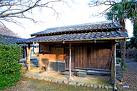
A rich person had his own private bathhouse (yudono 湯殿) and many bathing facilities in hotels are now called like this.
.......................................................................
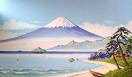 In the town of Edo, sento public bath houses were common (sentoo 銭湯) and some are still used to our day. Some had great tile paintings with mount Fuji on the side, so the bathers could relax in the
"outside atmosphere".
© More in the WIKIPEDIA !
Sentō and Sento Etiquette

source : 江戸の湯屋
yuya 湯屋 public bath house in Edo
The second floor was an open space to cool down, enjoy a drink and play games or just chat.
江戸拾遺書くなら湯屋の二階番
Edo shui kaku nara yuya no nikai ban
writing about
famous things in Edo, best is the second floor guardian
of a public bath
. senryuu, senryū 川柳 Senryu in Edo .
.......................................................................
You wash outside the tub and then sit in it leisurely to heat the body. The bathtub is used by all family members. The water is let in cold and heated up by a special system, to keep it warm at all times.
There are some seasons that call for a special bath to celebrate!
These kigo are listed below.

:::::::::::::::::::::::::::::::::::::::::::::::::::::::::::::::::::::::::::::::::::::::::::::::::::
kigo for the New Year
hatsuyu, hatsu-yu 初湯 (はつゆ) first bath
(of the new year)
..... wakayu 若湯(わかゆ) "young bath"
..... hatsuburo (hatsu furo) 初風呂(はつぶろ)
hatsu yudono 初湯殿(はつゆどの)first (use of the) bathhouse
. . . CLICK here for Photos !
do not mix with the ichibanburo, see below.
:::::::::::::::::::::::::::::::::::::::::::::::::::::::::::::::::::::::::::::::::::::::::::::::::::
kigo for mid-spring
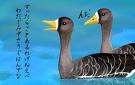
ganburo 雁風呂 がんぶろ "bath for the wild geese"
..... kari kuyoo 雁供養(かりくよう) memorial service for wild geese
A special bath prepared in the Tsugaru area of Aomori prefecture.
The wild geese which come to Tsugaru in Autumn bring a branch of wood in their mouth or carry one with their legs, as legend knows. They do this to rest on the branch when flowing over the ocean. When they reach the shores of the Nihonkai Sea in Tsugaru, they let the branch fall on the beach, and pick it up next spring, when they take off again to fly over the open sea.
When all wild geese have taken off, the people from Tsugaru collect the left-over branches from geese that did not make it during the winter and use them to heat a bath and offer it to travelers as a memorial service for the geese which have perished.
. . . . .
乾びたる藻を焚き付けに雁供養
karabitaru mo o takitsuke ni kari kuyoo
adding dried seaweed
for kindling the fire -
remembering the wild geese
Tanayama Haro (Haroo) 棚山波朗
. WKD : Goose, geese (kari, gan) .
:::::::::::::::::::::::::::::::::::::::::::::::::::::::::::::::::::::::::::::::::::::::::::::::::::
kigo for mid-summer
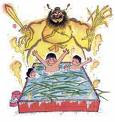
shoobuyu, shoobu-yu 菖蒲湯 (しょうぶゆ) "iris bath"
..... shoobuburo 菖蒲風呂(しょうぶぶろ)
rantoo 蘭湯(らんとう) bath with orchid leaves
. . . CLICK here for Photos !
The long leaves of the iris reminded the samurai of their swords. The word SHOOBU 勝負 also means a fight, usually to the death.
To wish for a boy to grow up strong, they put some iris leaves in the bathwater and hung them up around the eaves of the home on the day before the Boy's festival on May 5.
. WKD : Iris (shoobu, ayame, kakitsubata, airisu)
. WKD : Boy's Festival 端午の節句 Tango no sekku
. WASHOKU
Shoobuzake 菖蒲酒 (しょうぶざけ) Iris rice wine
for the Boy's Festival
shoobu Daruma 菖蒲だるま Daruma with Iris Decoration
:::::::::::::::::::::::::::::::::::::::::::::::::::::::::::::::::::::::::::::::::::::::::::::::::::
kigo for all winter
hoshinayu, hoshina-yu 干菜湯 (ほしなゆ)
bath with dried leafy vegetables
..... hoshinaburo 干菜風呂(ほしなぶろ)
..... hibayu, hiba-yu 干葉湯(ひばゆ)
The leaves are said to have medical properties to keep the body healthy. In former times, the cut-off leaves of daikon radish or turnips were dried and put into the bathwater. It is said to help when the body feels cool (hieshoo) and for old people.
Things to keep you warm in winter ... KIGO
. WASHOKU
Hoshinajiru 干菜汁 (ほしなじる)
miso soup with dried leafy vegetables
kigo for mid-winter

yuzuyu, yuzu-yu 柚子湯 (ゆずゆ) yuzu-citron bath
..... yuzuburo 仲冬 柚子風呂(ゆずぶろ)
toojiyu 冬至湯(とうじゆ)bath on the winter solstice day
..... toojiburo 冬至風呂(とうじぶろ)
It is the custom to swim a few yuzu fruit in your hot bathwater to make use of its medical properties, mostly to heat the body and keep it warm for a long time in the cold winter night.
. WKD . Yuzu citron, Citrus medica
::::::::::::::::::::::::::::::::::::::::::::::::::::::::::::::::::::::::::::::::::::::::::::::::::::
observance kigo for mid-winter
toshi no yu 年の湯 としのゆ last bath of the year
..... toshiyu 年湯(としゆ)
joya no yu 除夜の湯(じょやのゆ)bath on the last night
. Oomisoka, the last day of the year

BATHING BEAUTIES - Utagawa Toyokuni
:::::::::::::::::::::::::::::::::::::::::::::::::::::::::::::::::::::::::::::::::::::::::::::::::::::
:::::::::::::::::::::::::::::::::::::::::::::::::::::::::::::::::::::::::::::::::::::::::::::::::::::
The following words are NOT kigo
bara no ofuro バラのお風呂 bath with roses
Quite popular to relax in the evening, with the faint smell of roses.
. . . CLICK here for Photos !
ichibanburo 一番風呂 "first (use of the) bathtub"
Since families wash outside the tub and then share the hot water in the tub, it is hottest and most enjoyable when the first person sits in the tub. This was traditionally the right of the father of the home, next the boys, then the daughters and last the mother.
. . . CLICK here for Photos !
iwaburo 岩風呂 "stone bath"
usually at a hot spring, when the "bathtub" is made of local stones. This is said to heat the body even better, making use of the infared emission of the stones.
We have a stone bathtub in our garden, which is filled with fresh water from our mountain and can be heated with a wood stove.
. . . CLICK here for Photos !
kazokuburo 家族風呂 "bath for the whole family"
In Hotels the bath facilities are usually divided for male and female guests. Some offer special small rooms where the whole family can bath together. Most need a reservation to use them.
. . . CLICK here for Photos !
..........................................................................
sentoo 銭湯 Sento, public bath
- quote -
Sentō (銭湯) is a type of Japanese communal bath house where customers pay for entrance.
At the beginning of the Edo period (1603–1867), there were two types of baths common to the eastern and western regions of Japan respectively. In Edo (present day Tokyo), bath houses contained sizable pools, and were called yuya (湯屋, lit. hot water shop). In Osaka, however, bathing establishments were primarily steam baths called mushiburo (蒸し風呂, lit. steam bath) that had only shallow pools.
At the end of the Edo period,
the Tokugawa shogunate (1603–1868) at different times required baths to segregate by sex in order to ensure public moral standards. However, many bath house owners merely partitioned their baths with a small board, allowing some voyeurism to persist. Other baths avoided this problem by having men and women bathe at different times of day, or by catering to one gender exclusively. In spite of this, laws regarding mixed-sex bathing were soon relaxed again.
Contributing to the popularity of public baths in the Edo period were female bathing attendants known as yuna (湯女, lit. hot water women). These attendants helped cleanse customers by scrubbing their backs. After official closing hours, however, a number of these women would perform additional services by selling sex to male customers. Similarly, some brothels in contemporary Japan have women who specialize in bathing with and cleansing male clientele. Such establishments are often called sōpu rando (ソープランド, soapland).
As a preventive measure against prostitution, the Tokugawa shogunate stipulated that no more than three yuna serve at any given bath house. However, this rule was widely ignored, causing the shogunate to ban female attendants from bath houses altogether and once again prohibit the practice of mixed-sex bathing. Large numbers of unemployed yuna thereafter moved to official red-light districts, where they could continue their services. Up until 1870, there were also male washing assistants called sansuke (三助, lit. three helps) who would wash and massage customers of both genders.
Unlike the yuna, these male attendants were not known to engage in prostitution.

CLICK for more ukiyo-e of Sansuke !
Mixed-sex bathing was prohibited once again after Commodore Perry visited Japan in 1853 and 1854—drawing question to the morality of the practice. ...
- - - More in the WIKIPEDIA !
銭湯に魚屋入しよ冬の月
sentoo ni uoya irishi yo fuyu no tsuki
to the bathhouse
a fish peddler enters -
winter moon
quote
A fish peddler, who peddled around all day in the cold wind, so tired from his day’s work and the coldness, entered a bath-house under the winter moon to warm himself. Common workers outside used to take a bath after their daily work. The scene is not so rare, nor uncommon. The fish peddler may take a bath in the same bath-house in other seasons.
It is possible enough that the Poet happened to see some peddler with a carrying pole on his shoulder go into a bath-house on the street under the winter cold moon. The pole on the shoulder made the Poet directly suppose the person a fish peddler and I would rather think if he had not carried a pole, the Haiku would not have been produced. And any substitute of the other two real factors would not have made a haiku either.
A fish peddler, a bath-house and winter moon: ━ the real three together make a harmony of poetic sentiments. Here I feel the necessity of the Haiku being written. The three play respective characteristic role in the Haiku. It all depends on us what roles of the three we read in the Haiku.
source : www.hokuoto77.com
. WKD : Yosa Buson 与謝蕪村 in Edo .

CLICK for more ukiyo-e about the Sento in Edo!
On the far left you can see one woman coming out from under a low partition. The actual bath was in a special small room, just big enough for about 3 persons, and made to keep the water as warm as possible.
..........................................................................

だるまバスボール Daruma Bath Ball
Inside is a ball to throw into the bath water, with the flavor of Yuzu.
..........................................................................
Once upon a time in Japan,
men and women shared the same public bath
(konyoku 混浴).

山東京伝 Santoo Kyooden (1761 - 1816)
..........................................................................
yubune, yokusoo 湯船 "bath boat"
small boats with a bath for rent in Edo
With its many canals, it was easy to bring the bathouse to the clients.
This is the origin of the word, now used for the modern bath tub.

. chin shoobai 珍商売 strange business in Edo .
浴槽に熱き波立つ夕桜
yokusoo ni atsuki nami tatsu yuuzakura
in the bathtub
there are hot waves -
cherry blossoms at night
Kushihara Kiiko 櫛原希伊子
..........................................................................
yunitto basu ユニットバス unit bath, unit bathroom
A plastic module room, usually containing bath tub, wash basin and toilet. Not only used in hotels, but also in private homes, where the toilet is often separate, to make sure the "morning rush" is spread in two locations.
Some unit baths even feature bubbles or jet streams.
The whole module is made of one material, thus preventing leakages into the hotel or home.
. . . CLICK here for Photos !
:::::::::::::::::::::::::::::::::::::::::::::::::::::::::::::::::::::::::::::::::::::::::::::::::::::
. WASHOKU
Udon noodles eaten in the bathtub !
a custom in Western Sanuki, Shikoku
*****************************
Worldwide use
Hamam, turkish bath
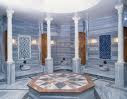
Turkish variant of a steam bath, sauna or Russian Bath, distinguished by a focus on water, as opposed to ambient steam.
© More in the WIKIPEDIA !
*****************************
Things found on the way
My visit to Yudono San
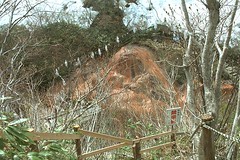
. Yudono, the Holy Mountain of the Mountain Ascetics
Dewa sanzan, Haguro, Gassan, Yudono-san
My Photo Album of this trip
*****************************
HAIKU and SENRYU
New Year's Bath -
a new cake of soap and
a fresh towel
Gabi Greve, New Year 2007
:::::::::::::::::::::::::::::::::::::::::::::::::::::::::::::::::::::::::::::::::::::::::::::::::::
tsutsuganaku yuzu-yu ni tsukaru hyakuju ware
in good health
lying in the hot citron bath
me one hundred years
in guter Gesundheit
im heissen Zitronenbad
mit meinen Hundert
Haiku by Ueda san, 99
Haiku with Hundred
Tr. by Gabi Greve
:::::::::::::::::::::::::::::::::::::::::::::::::::::::::::::::::::::::::::::::::::::::::::::::::::::
原子心母ユニットバスで血を流す
genshi shinbo yunitto basu de chi o nagasu
atom heart mother -
in the unit bathroom
she is bleeding
or, to stay in line with English grammar
atom heart mother -
she is bleeding
in the unit bath
or
atom heart mother -
I am bleeding
in the unit bathroom
Tanaka Ami 田中亜美
Tr. Gabi Greve
. Reference
. Reference : Pink Floyd - Atom Heart Mother
chi o nagasu ... quite a normal way to express "bleeding" in ordinary Japanese language, in fact, the whole structure is quite plain ordinary language, put in 5 7 5 segments.
:::::::::::::::::::::::::::::::::::::::::::::::::::::::::::::::::::::::::::::::::::::::::::::::::::::

Torii Kiyonaga 鳥居清長 (1752 - 1815)
初湯出て青年母の鏡台に
hatsuyu ide seinen haha no kyoodai ni
leaving the first bath
the young mother goes
to her dressing table
Takajo 鷹女
source : HAIKUreikuDB

kyoodai, kagamidai, 鏡台 lit. mirror stand, often a box for the utensils and a mirror. See below.
.................................................................................

春昼や無限を映す三面鏡
shunchuu ya mugen o utsusu sanmenkyoo
spring afternoon—
a three-mirrored dresser
reflecting infinity
Chichihara Takashi 乳原孝
Tr. Fay Aoyagi
:::::::::::::::::::::::::::::::::::::::::::::::::::::::::::::::::::::::::::::::::::::::::::::::::::::
UKIAH -
the mirror reflects the word
opposite
~ Beryl Ellecy
MORE
. MIRROR - haiku collection from Kenya
.................................................................................

Ukiah, California, USA
source : ukiaHaiku festival 2011
*****************************
Related words
kigo for the New Year
kagamidai iwai 鏡台祝(きょうだいいわい)
celebrating the mirror stand
..... kyoodai iwai 鏡台祝(きょうだいいわい)
..... kagami no iwai 鏡の祝(かがみのいわい)
hatsukao iwai 初顔祝(はつかおいわい)celebrating the "first face"
In Samurai Families, on the 20 of January, the mirrors were opened for the first time, some kagami mochi offered and then ritually eaten by the womanfolk.
. hatsu kagami 初鏡 (はつかがみ) "first mirror"
..... hatsugeshoo 初化粧(はつげしょう)first make-up
.................................................................................
Haiku in Hindi
Sanvaarti vah kesh-
aainaa bhi kuchh
khoyaa khayaal men
she combs her hair -
the mirror is somewhat
lost in thought
Sunil Uniyal
India Saijiki April 2010
::::::::::::::::::::::::::::::::::::::::::::::::::::::::::::::::::::::::::::::::::::::::::::::::::::
sekiten rite --
I see father’s face
in the mirror
Chen-ou Liu
August 2010
. Confucius (Sekiten) and
the mirror in Chinese symbolism
::::::::::::::::::::::::::::::::::::::::::::::::::::::::::::::::::::::::::::::::::::::::::::::::::::
***** . First Things done at the New Year
. NEW YEAR
KIGO for HUMANITY
Hot Spring, Hot Springs (onsen) Japan. Bathhouse
furofuki 風呂吹 (ふろふき) boiled radish in broth
lit. "radish in the bathtub"
. . . CLICK here for Photos !
furofuku daikon 風呂吹大根(ふろふきだいこん)
. "mirror rice" (kagami meshi 鏡飯) .
. iwakagami, iwa kagami 岩鏡 Schizocodom plant .
lit. "rock mirror"
Schizocodom soldanelloides
. WASHOKU SAIJIKI - kigo for all winter food
:::::::::::::::::::::::::::::::::::::::::::::::::::::::::::::::::::::::::::::::::::::::::::::::::::::::::::::::::::::::::::
- quote -
Japanese bronze mirrors
Bronze mirrors were introduced into Japan from China and Korea during the Yayoi period (about 300 BC - AD 300). At first they had a religious function and were regarded as symbols of authority. . . .
. . . Mirrors gradually became more robust. Bronze was copper mixed with tin and lead. They mostly have a central boss, often in the shape of a tortoise, which was pierced and a cord passed through for holding. More new designs and the first handled mirrors appeared in the Muromachi period (1333-1568).
During the Edo period (1600-1868), mirrors decorated with lucky symbols or Chinese characters were given at weddings. Mirrors became larger as hairstyles became more ornate; some mirrors in Kabuki theatre dressing-rooms were up to fifty centimeters across and were placed on stands.
The faces of mirrors were highly polished or burnished, with itinerant tinners and polishers specializing in this work.
. . .
Bronze mirrors were replaced by glass mirrors after the Meiji Restoration (1868).
- source : www.britishmuseum.org

ekagami, e-kagami 柄鏡 mirror with a handle
. . . A mirror with one's family crest may signify the self assertion of the family or individual who used such a mirror. A mirror with a scenic motif, such as Mount Fuji and the pine grove of Miho or the eight views of Omi, may express one's desire to see these famous sights or to travel.

By the Edo period handles, often bound in rattan, were added to Japanese brass or bronze mirrors. The mirror discs also became larger to accommodate the increased size of ladies' hair arrangements. These types of mirror were known as e-kagami.
Perhaps it can be said that the motifs on handled mirrors truly reflected the heart of the Edoite!
- source : www.kyohaku.go.jp
Mirror with auspicious symbols of winter
shoochikubai 松 竹 梅 pine, bamboo and plum blossom - and Mount Fuji

source : edo-ekagami.seesaa.net
- quote -
wakyou (wakyoo) 和鏡
- Japanese style mirrors.
Wakyou were developed as part of toilet sets in the Heian period.
Previously large and heavy Chinese-style mirrors were used as ritual objects at temples and shrines and as burial accessories. Wakyou, although based in technique and shape on continental models, are distinguished from Chinese mirrors by such Japanese-style patterns and motifs as pines, cherry blossoms, wistaria, maples, pampas grass, chrysanthemums, cranes, geese and sparrows.
The matsukuizuru mon kyou 松喰鶴文鏡 (mirror with a pattern of pine eating pine) is a typical Japanese style mirror of this period.
In the Kamakura period, wakyou became thicker and often featured patterns of peonies, butterflies and birds, or Houraisan 蓬莱山 in high relief. Sung period handled mirrors, ekagami 柄鏡, with decoration around the reflective surface were introduced by the Muromachi period.
At first they had a long handle and knob (chu 鈕) in the center of the rear side. Later ekagami became larger and the handle shorter and thicker, with the knob disappearing.
In the Momoyama and Edo periods, mirrors were decorated freely with patterns of landscape and birds-and-flowers, often including the signature of mirror maker or the words 'tenka-ichi 天下一' (best in the world).
- source : JAANUS -
- History of mirrors in Japan -
- reference -
. Matsuyama kagami 松山鏡 The Mirror from Matsuyama .
- a legend with many version -
.......................................................................
. Doing Business in Edo - Introduction .
. kagamishi, kagami shi 鏡師 mirror maker .
and Ukiyo-E with mirrors
.......................................................................

kagami migaki 鏡磨き / kagami togi 鏡研ぎ
mirror polisher in Edo
The bronze mirrors of the ladies of Edo had to be polished at least once a year. A good business time for the wayside craftsmen was in winter, toward the New Year.
They sat by the roadside, putting the mirror in front of them whilst polishing it. So they could see their own face all the time.
They were often the subject of senryu.
わが面で試みをする鏡とぎ
waga men de kokoromi o suru kagamitogi
using my own face
as a trial object
to polish this mirror
磨ぎたての鏡びっくり下女気絶
togitate no kagami bikkuri gejo kizetsu
looking into
the newly polished mirror
the servant faints
Maybe now she realized the great difference in her own "beauty" and that of here lovely lady.
.......................................................................

Torii Kiyonaga 鳥居清長の美人画

化粧の女 - Woman applying powder
Hashiguchi Goyō 橋口五葉 Hashiguchi Goyo (1880-1921)
. - - - Welcome to Edo 江戸 ! .
:::::::::::::::::::::::::::::::::::::::::::::::::::::::::::::::::::::::::::::::::::::::::::::::::::::::::::::::::::::::::::
. shinkyoo 神鏡 Shinkyo - "mirror of the kami", divine mirror .
- Introduction -
:::::::::::::::::::::::::::::::::::::::::::::::::::::::::::::::::::::::::::::::::::::::::::::::::::::::::::::::::::::::::::
[ . BACK to DARUMA MUSEUM TOP . ]
[ . BACK to WORLDKIGO . TOP . ]
:::::::::::::::::::::::::::::::::::::::::::::::::::::::::::::::::::::::::::::::::::::::::::::::::::::::::::::::::::::::::::
[ . BACK to DARUMA MUSEUM TOP . ]
::::::::::::::::::::::::::::::::::::::::::::::::::::::::::::::::::::::::::::::::::::::::::::::::::::
Bath (furo)
***** Location: Japan
***** Season: Various, see below
***** Category: Humanity
*****************************
Explanation
Japanese people are fond to take a hot bath (furo 風呂),
even to sit outside in the many hot springs of Japan.
Hot Spring, Hot Springs (onsen) 温泉
A rich person had his own private bathhouse (yudono 湯殿) and many bathing facilities in hotels are now called like this.
.......................................................................
In the town of Edo, sento public bath houses were common (sentoo 銭湯) and some are still used to our day. Some had great tile paintings with mount Fuji on the side, so the bathers could relax in the"outside atmosphere".
© More in the WIKIPEDIA !
Sentō and Sento Etiquette
source : 江戸の湯屋
yuya 湯屋 public bath house in Edo
The second floor was an open space to cool down, enjoy a drink and play games or just chat.
江戸拾遺書くなら湯屋の二階番
Edo shui kaku nara yuya no nikai ban
writing about
famous things in Edo, best is the second floor guardian
of a public bath
. senryuu, senryū 川柳 Senryu in Edo .
.......................................................................
You wash outside the tub and then sit in it leisurely to heat the body. The bathtub is used by all family members. The water is let in cold and heated up by a special system, to keep it warm at all times.
There are some seasons that call for a special bath to celebrate!
These kigo are listed below.
:::::::::::::::::::::::::::::::::::::::::::::::::::::::::::::::::::::::::::::::::::::::::::::::::::
kigo for the New Year
hatsuyu, hatsu-yu 初湯 (はつゆ) first bath
(of the new year)
..... wakayu 若湯(わかゆ) "young bath"
..... hatsuburo (hatsu furo) 初風呂(はつぶろ)
hatsu yudono 初湯殿(はつゆどの)first (use of the) bathhouse
. . . CLICK here for Photos !
do not mix with the ichibanburo, see below.
:::::::::::::::::::::::::::::::::::::::::::::::::::::::::::::::::::::::::::::::::::::::::::::::::::
kigo for mid-spring
ganburo 雁風呂 がんぶろ "bath for the wild geese"
..... kari kuyoo 雁供養(かりくよう) memorial service for wild geese
A special bath prepared in the Tsugaru area of Aomori prefecture.
The wild geese which come to Tsugaru in Autumn bring a branch of wood in their mouth or carry one with their legs, as legend knows. They do this to rest on the branch when flowing over the ocean. When they reach the shores of the Nihonkai Sea in Tsugaru, they let the branch fall on the beach, and pick it up next spring, when they take off again to fly over the open sea.
When all wild geese have taken off, the people from Tsugaru collect the left-over branches from geese that did not make it during the winter and use them to heat a bath and offer it to travelers as a memorial service for the geese which have perished.
. . . . .
乾びたる藻を焚き付けに雁供養
karabitaru mo o takitsuke ni kari kuyoo
adding dried seaweed
for kindling the fire -
remembering the wild geese
Tanayama Haro (Haroo) 棚山波朗
. WKD : Goose, geese (kari, gan) .
:::::::::::::::::::::::::::::::::::::::::::::::::::::::::::::::::::::::::::::::::::::::::::::::::::
kigo for mid-summer
shoobuyu, shoobu-yu 菖蒲湯 (しょうぶゆ) "iris bath"
..... shoobuburo 菖蒲風呂(しょうぶぶろ)
rantoo 蘭湯(らんとう) bath with orchid leaves
. . . CLICK here for Photos !
The long leaves of the iris reminded the samurai of their swords. The word SHOOBU 勝負 also means a fight, usually to the death.
To wish for a boy to grow up strong, they put some iris leaves in the bathwater and hung them up around the eaves of the home on the day before the Boy's festival on May 5.
. WKD : Iris (shoobu, ayame, kakitsubata, airisu)
. WKD : Boy's Festival 端午の節句 Tango no sekku
. WASHOKU
Shoobuzake 菖蒲酒 (しょうぶざけ) Iris rice wine
for the Boy's Festival
shoobu Daruma 菖蒲だるま Daruma with Iris Decoration
:::::::::::::::::::::::::::::::::::::::::::::::::::::::::::::::::::::::::::::::::::::::::::::::::::
kigo for all winter
hoshinayu, hoshina-yu 干菜湯 (ほしなゆ)
bath with dried leafy vegetables
..... hoshinaburo 干菜風呂(ほしなぶろ)
..... hibayu, hiba-yu 干葉湯(ひばゆ)
The leaves are said to have medical properties to keep the body healthy. In former times, the cut-off leaves of daikon radish or turnips were dried and put into the bathwater. It is said to help when the body feels cool (hieshoo) and for old people.
Things to keep you warm in winter ... KIGO
. WASHOKU
Hoshinajiru 干菜汁 (ほしなじる)
miso soup with dried leafy vegetables
kigo for mid-winter
yuzuyu, yuzu-yu 柚子湯 (ゆずゆ) yuzu-citron bath
..... yuzuburo 仲冬 柚子風呂(ゆずぶろ)
toojiyu 冬至湯(とうじゆ)bath on the winter solstice day
..... toojiburo 冬至風呂(とうじぶろ)
It is the custom to swim a few yuzu fruit in your hot bathwater to make use of its medical properties, mostly to heat the body and keep it warm for a long time in the cold winter night.
. WKD . Yuzu citron, Citrus medica
::::::::::::::::::::::::::::::::::::::::::::::::::::::::::::::::::::::::::::::::::::::::::::::::::::
observance kigo for mid-winter
toshi no yu 年の湯 としのゆ last bath of the year
..... toshiyu 年湯(としゆ)
joya no yu 除夜の湯(じょやのゆ)bath on the last night
. Oomisoka, the last day of the year
BATHING BEAUTIES - Utagawa Toyokuni
:::::::::::::::::::::::::::::::::::::::::::::::::::::::::::::::::::::::::::::::::::::::::::::::::::::
:::::::::::::::::::::::::::::::::::::::::::::::::::::::::::::::::::::::::::::::::::::::::::::::::::::
The following words are NOT kigo
bara no ofuro バラのお風呂 bath with roses
Quite popular to relax in the evening, with the faint smell of roses.
. . . CLICK here for Photos !
ichibanburo 一番風呂 "first (use of the) bathtub"
Since families wash outside the tub and then share the hot water in the tub, it is hottest and most enjoyable when the first person sits in the tub. This was traditionally the right of the father of the home, next the boys, then the daughters and last the mother.
. . . CLICK here for Photos !
iwaburo 岩風呂 "stone bath"
usually at a hot spring, when the "bathtub" is made of local stones. This is said to heat the body even better, making use of the infared emission of the stones.
We have a stone bathtub in our garden, which is filled with fresh water from our mountain and can be heated with a wood stove.
. . . CLICK here for Photos !
kazokuburo 家族風呂 "bath for the whole family"
In Hotels the bath facilities are usually divided for male and female guests. Some offer special small rooms where the whole family can bath together. Most need a reservation to use them.
. . . CLICK here for Photos !
..........................................................................
sentoo 銭湯 Sento, public bath
- quote -
Sentō (銭湯) is a type of Japanese communal bath house where customers pay for entrance.
At the beginning of the Edo period (1603–1867), there were two types of baths common to the eastern and western regions of Japan respectively. In Edo (present day Tokyo), bath houses contained sizable pools, and were called yuya (湯屋, lit. hot water shop). In Osaka, however, bathing establishments were primarily steam baths called mushiburo (蒸し風呂, lit. steam bath) that had only shallow pools.
At the end of the Edo period,
the Tokugawa shogunate (1603–1868) at different times required baths to segregate by sex in order to ensure public moral standards. However, many bath house owners merely partitioned their baths with a small board, allowing some voyeurism to persist. Other baths avoided this problem by having men and women bathe at different times of day, or by catering to one gender exclusively. In spite of this, laws regarding mixed-sex bathing were soon relaxed again.
Contributing to the popularity of public baths in the Edo period were female bathing attendants known as yuna (湯女, lit. hot water women). These attendants helped cleanse customers by scrubbing their backs. After official closing hours, however, a number of these women would perform additional services by selling sex to male customers. Similarly, some brothels in contemporary Japan have women who specialize in bathing with and cleansing male clientele. Such establishments are often called sōpu rando (ソープランド, soapland).
As a preventive measure against prostitution, the Tokugawa shogunate stipulated that no more than three yuna serve at any given bath house. However, this rule was widely ignored, causing the shogunate to ban female attendants from bath houses altogether and once again prohibit the practice of mixed-sex bathing. Large numbers of unemployed yuna thereafter moved to official red-light districts, where they could continue their services. Up until 1870, there were also male washing assistants called sansuke (三助, lit. three helps) who would wash and massage customers of both genders.
Unlike the yuna, these male attendants were not known to engage in prostitution.
CLICK for more ukiyo-e of Sansuke !
Mixed-sex bathing was prohibited once again after Commodore Perry visited Japan in 1853 and 1854—drawing question to the morality of the practice. ...
- - - More in the WIKIPEDIA !
銭湯に魚屋入しよ冬の月
sentoo ni uoya irishi yo fuyu no tsuki
to the bathhouse
a fish peddler enters -
winter moon
quote
A fish peddler, who peddled around all day in the cold wind, so tired from his day’s work and the coldness, entered a bath-house under the winter moon to warm himself. Common workers outside used to take a bath after their daily work. The scene is not so rare, nor uncommon. The fish peddler may take a bath in the same bath-house in other seasons.
It is possible enough that the Poet happened to see some peddler with a carrying pole on his shoulder go into a bath-house on the street under the winter cold moon. The pole on the shoulder made the Poet directly suppose the person a fish peddler and I would rather think if he had not carried a pole, the Haiku would not have been produced. And any substitute of the other two real factors would not have made a haiku either.
A fish peddler, a bath-house and winter moon: ━ the real three together make a harmony of poetic sentiments. Here I feel the necessity of the Haiku being written. The three play respective characteristic role in the Haiku. It all depends on us what roles of the three we read in the Haiku.
source : www.hokuoto77.com
. WKD : Yosa Buson 与謝蕪村 in Edo .
CLICK for more ukiyo-e about the Sento in Edo!
On the far left you can see one woman coming out from under a low partition. The actual bath was in a special small room, just big enough for about 3 persons, and made to keep the water as warm as possible.
..........................................................................
だるまバスボール Daruma Bath Ball
Inside is a ball to throw into the bath water, with the flavor of Yuzu.
..........................................................................
Once upon a time in Japan,
men and women shared the same public bath
(konyoku 混浴).
山東京伝 Santoo Kyooden (1761 - 1816)
..........................................................................
yubune, yokusoo 湯船 "bath boat"
small boats with a bath for rent in Edo
With its many canals, it was easy to bring the bathouse to the clients.
This is the origin of the word, now used for the modern bath tub.
. chin shoobai 珍商売 strange business in Edo .
浴槽に熱き波立つ夕桜
yokusoo ni atsuki nami tatsu yuuzakura
in the bathtub
there are hot waves -
cherry blossoms at night
Kushihara Kiiko 櫛原希伊子
..........................................................................
yunitto basu ユニットバス unit bath, unit bathroom
A plastic module room, usually containing bath tub, wash basin and toilet. Not only used in hotels, but also in private homes, where the toilet is often separate, to make sure the "morning rush" is spread in two locations.
Some unit baths even feature bubbles or jet streams.
The whole module is made of one material, thus preventing leakages into the hotel or home.
. . . CLICK here for Photos !
:::::::::::::::::::::::::::::::::::::::::::::::::::::::::::::::::::::::::::::::::::::::::::::::::::::
. WASHOKU
Udon noodles eaten in the bathtub !
a custom in Western Sanuki, Shikoku
*****************************
Worldwide use
Hamam, turkish bath
Turkish variant of a steam bath, sauna or Russian Bath, distinguished by a focus on water, as opposed to ambient steam.
© More in the WIKIPEDIA !
*****************************
Things found on the way
My visit to Yudono San
. Yudono, the Holy Mountain of the Mountain Ascetics
Dewa sanzan, Haguro, Gassan, Yudono-san
My Photo Album of this trip
*****************************
HAIKU and SENRYU
New Year's Bath -
a new cake of soap and
a fresh towel
Gabi Greve, New Year 2007
:::::::::::::::::::::::::::::::::::::::::::::::::::::::::::::::::::::::::::::::::::::::::::::::::::
tsutsuganaku yuzu-yu ni tsukaru hyakuju ware
in good health
lying in the hot citron bath
me one hundred years
in guter Gesundheit
im heissen Zitronenbad
mit meinen Hundert
Haiku by Ueda san, 99
Haiku with Hundred
Tr. by Gabi Greve
:::::::::::::::::::::::::::::::::::::::::::::::::::::::::::::::::::::::::::::::::::::::::::::::::::::
原子心母ユニットバスで血を流す
genshi shinbo yunitto basu de chi o nagasu
atom heart mother -
in the unit bathroom
she is bleeding
or, to stay in line with English grammar
atom heart mother -
she is bleeding
in the unit bath
or
atom heart mother -
I am bleeding
in the unit bathroom
Tanaka Ami 田中亜美
Tr. Gabi Greve
. Reference
. Reference : Pink Floyd - Atom Heart Mother
chi o nagasu ... quite a normal way to express "bleeding" in ordinary Japanese language, in fact, the whole structure is quite plain ordinary language, put in 5 7 5 segments.
:::::::::::::::::::::::::::::::::::::::::::::::::::::::::::::::::::::::::::::::::::::::::::::::::::::
Torii Kiyonaga 鳥居清長 (1752 - 1815)
初湯出て青年母の鏡台に
hatsuyu ide seinen haha no kyoodai ni
leaving the first bath
the young mother goes
to her dressing table
Takajo 鷹女
source : HAIKUreikuDB
kyoodai, kagamidai, 鏡台 lit. mirror stand, often a box for the utensils and a mirror. See below.
.................................................................................
春昼や無限を映す三面鏡
shunchuu ya mugen o utsusu sanmenkyoo
spring afternoon—
a three-mirrored dresser
reflecting infinity
Chichihara Takashi 乳原孝
Tr. Fay Aoyagi
:::::::::::::::::::::::::::::::::::::::::::::::::::::::::::::::::::::::::::::::::::::::::::::::::::::
UKIAH -
the mirror reflects the word
opposite
~ Beryl Ellecy
MORE
. MIRROR - haiku collection from Kenya
.................................................................................
Ukiah, California, USA
source : ukiaHaiku festival 2011
*****************************
Related words
kigo for the New Year
kagamidai iwai 鏡台祝(きょうだいいわい)
celebrating the mirror stand
..... kyoodai iwai 鏡台祝(きょうだいいわい)
..... kagami no iwai 鏡の祝(かがみのいわい)
hatsukao iwai 初顔祝(はつかおいわい)celebrating the "first face"
In Samurai Families, on the 20 of January, the mirrors were opened for the first time, some kagami mochi offered and then ritually eaten by the womanfolk.
. hatsu kagami 初鏡 (はつかがみ) "first mirror"
..... hatsugeshoo 初化粧(はつげしょう)first make-up
.................................................................................
Haiku in Hindi
Sanvaarti vah kesh-
aainaa bhi kuchh
khoyaa khayaal men
she combs her hair -
the mirror is somewhat
lost in thought
Sunil Uniyal
India Saijiki April 2010
::::::::::::::::::::::::::::::::::::::::::::::::::::::::::::::::::::::::::::::::::::::::::::::::::::
sekiten rite --
I see father’s face
in the mirror
Chen-ou Liu
August 2010
. Confucius (Sekiten) and
the mirror in Chinese symbolism
::::::::::::::::::::::::::::::::::::::::::::::::::::::::::::::::::::::::::::::::::::::::::::::::::::
***** . First Things done at the New Year
. NEW YEAR
KIGO for HUMANITY
Hot Spring, Hot Springs (onsen) Japan. Bathhouse
furofuki 風呂吹 (ふろふき) boiled radish in broth
lit. "radish in the bathtub"
. . . CLICK here for Photos !
furofuku daikon 風呂吹大根(ふろふきだいこん)
. "mirror rice" (kagami meshi 鏡飯) .
. iwakagami, iwa kagami 岩鏡 Schizocodom plant .
lit. "rock mirror"
Schizocodom soldanelloides
. WASHOKU SAIJIKI - kigo for all winter food
:::::::::::::::::::::::::::::::::::::::::::::::::::::::::::::::::::::::::::::::::::::::::::::::::::::::::::::::::::::::::::
- quote -
Japanese bronze mirrors
Bronze mirrors were introduced into Japan from China and Korea during the Yayoi period (about 300 BC - AD 300). At first they had a religious function and were regarded as symbols of authority. . . .
. . . Mirrors gradually became more robust. Bronze was copper mixed with tin and lead. They mostly have a central boss, often in the shape of a tortoise, which was pierced and a cord passed through for holding. More new designs and the first handled mirrors appeared in the Muromachi period (1333-1568).
During the Edo period (1600-1868), mirrors decorated with lucky symbols or Chinese characters were given at weddings. Mirrors became larger as hairstyles became more ornate; some mirrors in Kabuki theatre dressing-rooms were up to fifty centimeters across and were placed on stands.
The faces of mirrors were highly polished or burnished, with itinerant tinners and polishers specializing in this work.
. . .
Bronze mirrors were replaced by glass mirrors after the Meiji Restoration (1868).
- source : www.britishmuseum.org
ekagami, e-kagami 柄鏡 mirror with a handle
. . . A mirror with one's family crest may signify the self assertion of the family or individual who used such a mirror. A mirror with a scenic motif, such as Mount Fuji and the pine grove of Miho or the eight views of Omi, may express one's desire to see these famous sights or to travel.
By the Edo period handles, often bound in rattan, were added to Japanese brass or bronze mirrors. The mirror discs also became larger to accommodate the increased size of ladies' hair arrangements. These types of mirror were known as e-kagami.
Perhaps it can be said that the motifs on handled mirrors truly reflected the heart of the Edoite!
- source : www.kyohaku.go.jp
Mirror with auspicious symbols of winter
shoochikubai 松 竹 梅 pine, bamboo and plum blossom - and Mount Fuji
source : edo-ekagami.seesaa.net
- quote -
wakyou (wakyoo) 和鏡
- Japanese style mirrors.
Wakyou were developed as part of toilet sets in the Heian period.
Previously large and heavy Chinese-style mirrors were used as ritual objects at temples and shrines and as burial accessories. Wakyou, although based in technique and shape on continental models, are distinguished from Chinese mirrors by such Japanese-style patterns and motifs as pines, cherry blossoms, wistaria, maples, pampas grass, chrysanthemums, cranes, geese and sparrows.
The matsukuizuru mon kyou 松喰鶴文鏡 (mirror with a pattern of pine eating pine) is a typical Japanese style mirror of this period.
In the Kamakura period, wakyou became thicker and often featured patterns of peonies, butterflies and birds, or Houraisan 蓬莱山 in high relief. Sung period handled mirrors, ekagami 柄鏡, with decoration around the reflective surface were introduced by the Muromachi period.
At first they had a long handle and knob (chu 鈕) in the center of the rear side. Later ekagami became larger and the handle shorter and thicker, with the knob disappearing.
In the Momoyama and Edo periods, mirrors were decorated freely with patterns of landscape and birds-and-flowers, often including the signature of mirror maker or the words 'tenka-ichi 天下一' (best in the world).
- source : JAANUS -
- History of mirrors in Japan -
- reference -
. Matsuyama kagami 松山鏡 The Mirror from Matsuyama .
- a legend with many version -
.......................................................................
. Doing Business in Edo - Introduction .
. kagamishi, kagami shi 鏡師 mirror maker .
and Ukiyo-E with mirrors
.......................................................................
kagami migaki 鏡磨き / kagami togi 鏡研ぎ
mirror polisher in Edo
The bronze mirrors of the ladies of Edo had to be polished at least once a year. A good business time for the wayside craftsmen was in winter, toward the New Year.
They sat by the roadside, putting the mirror in front of them whilst polishing it. So they could see their own face all the time.
They were often the subject of senryu.
わが面で試みをする鏡とぎ
waga men de kokoromi o suru kagamitogi
using my own face
as a trial object
to polish this mirror
磨ぎたての鏡びっくり下女気絶
togitate no kagami bikkuri gejo kizetsu
looking into
the newly polished mirror
the servant faints
Maybe now she realized the great difference in her own "beauty" and that of here lovely lady.
.......................................................................
Torii Kiyonaga 鳥居清長の美人画
化粧の女 - Woman applying powder
Hashiguchi Goyō 橋口五葉 Hashiguchi Goyo (1880-1921)
. - - - Welcome to Edo 江戸 ! .
:::::::::::::::::::::::::::::::::::::::::::::::::::::::::::::::::::::::::::::::::::::::::::::::::::::::::::::::::::::::::::
. shinkyoo 神鏡 Shinkyo - "mirror of the kami", divine mirror .
- Introduction -
:::::::::::::::::::::::::::::::::::::::::::::::::::::::::::::::::::::::::::::::::::::::::::::::::::::::::::::::::::::::::::
[ . BACK to DARUMA MUSEUM TOP . ]
[ . BACK to WORLDKIGO . TOP . ]
:::::::::::::::::::::::::::::::::::::::::::::::::::::::::::::::::::::::::::::::::::::::::::::::::::::::::::::::::::::::::::
12/15/2009
Washing (arau)
[ . BACK to WORLDKIGO TOP . ]
::::::::::::::::::::::::::::::::::::::::::::::::::::::::::::::::::::::::::::::::::::::::::::::::::::
Washing something
***** Location: Japan
***** Season: Various, see below
***** Category: Humanity
*****************************
Explanation
Washing something, from your hair to the gravestone to vegetables ...
many of these activities are KIGO !
Let us look at some kigo with
arau 洗う (あらう) to wash something

:::::::::::::::::::::::::::::::::::::::::::::::::::::::::::::::::::::::::::::::::::::::::::::::::::
Kigo for Summer
kami arau 髪洗う (かみあらう) washing the hair
araigami 洗い髪(あらいがみ) washed hair
Hair (kami) kigo in all seasons
.................................................................................
kigo for late summer
mikoshi arai 神輿洗(みこしあらい)washing the portable shrines
. . . CLICK here for Photos !
ushi arau 牛洗う(うしあらう)washing the cows
uma arau 馬洗う(うまあらう) washing the horses
WKD : Cows and Horses
:::::::::::::::::::::::::::::::::::::::::::::::::::::::::::::::::::::::::::::::::::::::::::::::::::
Kigo for Autumn
azuki arai 小豆洗い(あずきあらい)washing adzuki beans
Washoku
red beans for sweet bean paste
.................................................................................
kigo for early autumn
haka arau 墓洗う(はかあらう) washing the gravestones
Preparations for the Ancestor Festival (O-Bon)
suzuri arau 硯洗う(すずりあらう)washing the inkstone
susuri arai 硯洗 (すずりあらい ) washed inkstone
tsukue arau 机洗う(つくえあらう) washing the table
For the Tanabata Star Festival
.................................................................................
kigo for early autumn
oyama arai 御山洗 (おやまあらい) washing the mountain
Fuji no yama arai 富士の山洗(ふじのやまあらい) washing mount Fuji
by the rain of autumn
.................................................................................
kigo for mid-autumn
shooji arau 障子洗う (しょうじあらう) washing sliding doors
Autumn activities in the home
:::::::::::::::::::::::::::::::::::::::::::::::::::::::::::::::::::::::::::::::::::::::::::::::::::
Kigo for Winter
na arau 菜洗う(なあらう)washing leafy vegetables
negi arau 葱洗う(ねぎあらう)washing leek
arainegi, arai-negi 洗葱(あらいねぎ) washed leek
Winter Vegetables
tabi arau 足袋洗う(たびあらう)washing the tabi socks
Tabi, socks and toe socks
.................................................................................
kigo for early winter
daikon arau 大根洗う(だいこんあらう)washing radishes
Winter Vegetables
*****************************
Worldwide use
*****************************
Things found on the way
*****************************
HAIKU
*****************************
Related words
***** WKD ... ABC Reference
:::::::::::::::::::::::::::::::::::::::::::::::::::::::::::::::::::::::::::::::::::::::::::::::::::
::::::::::::::::::::::::::::::::::::::::::::::::::::::::::::::::::::::::::::::::::::::::::::::::::::
Washing something
***** Location: Japan
***** Season: Various, see below
***** Category: Humanity
*****************************
Explanation
Washing something, from your hair to the gravestone to vegetables ...
many of these activities are KIGO !
Let us look at some kigo with
arau 洗う (あらう) to wash something
:::::::::::::::::::::::::::::::::::::::::::::::::::::::::::::::::::::::::::::::::::::::::::::::::::
Kigo for Summer
kami arau 髪洗う (かみあらう) washing the hair
araigami 洗い髪(あらいがみ) washed hair
Hair (kami) kigo in all seasons
.................................................................................
kigo for late summer
mikoshi arai 神輿洗(みこしあらい)washing the portable shrines
. . . CLICK here for Photos !
ushi arau 牛洗う(うしあらう)washing the cows
uma arau 馬洗う(うまあらう) washing the horses
WKD : Cows and Horses
:::::::::::::::::::::::::::::::::::::::::::::::::::::::::::::::::::::::::::::::::::::::::::::::::::
Kigo for Autumn
azuki arai 小豆洗い(あずきあらい)washing adzuki beans
Washoku
red beans for sweet bean paste
.................................................................................
kigo for early autumn
haka arau 墓洗う(はかあらう) washing the gravestones
Preparations for the Ancestor Festival (O-Bon)
suzuri arau 硯洗う(すずりあらう)washing the inkstone
susuri arai 硯洗 (すずりあらい ) washed inkstone
tsukue arau 机洗う(つくえあらう) washing the table
For the Tanabata Star Festival
.................................................................................
kigo for early autumn
oyama arai 御山洗 (おやまあらい) washing the mountain
Fuji no yama arai 富士の山洗(ふじのやまあらい) washing mount Fuji
by the rain of autumn
.................................................................................
kigo for mid-autumn
shooji arau 障子洗う (しょうじあらう) washing sliding doors
Autumn activities in the home
:::::::::::::::::::::::::::::::::::::::::::::::::::::::::::::::::::::::::::::::::::::::::::::::::::
Kigo for Winter
na arau 菜洗う(なあらう)washing leafy vegetables
negi arau 葱洗う(ねぎあらう)washing leek
arainegi, arai-negi 洗葱(あらいねぎ) washed leek
Winter Vegetables
tabi arau 足袋洗う(たびあらう)washing the tabi socks
Tabi, socks and toe socks
.................................................................................
kigo for early winter
daikon arau 大根洗う(だいこんあらう)washing radishes
Winter Vegetables
*****************************
Worldwide use
*****************************
Things found on the way
*****************************
HAIKU
*****************************
Related words
***** WKD ... ABC Reference
:::::::::::::::::::::::::::::::::::::::::::::::::::::::::::::::::::::::::::::::::::::::::::::::::::
12/02/2009
New Year Games Toys
[ . BACK to WORLDKIGO TOP . ]
::::::::::::::::::::::::::::::::::::::::::::::::::::::::::::::::::::::::::::::::::::::::::::::::::::
Games and Toys for the New Year
***** Location: Japan
***** Season: New Year
***** Category: Humanity
*****************************
Explanation
New Year is a time for traditional games and traditional toys.
:::::::::::::::::::::::::::::::::::::::::::::::::::::::::::::::::::::::::::::::::::::::::::::::::::

hagoita battledore
.......................................................................
Ball game (temari 手毬 (てまり)
with a decorative cotton ball
song for the ball game 手毬唄(てまりうた temari uta)
Ball game for kicking (kemari 蹴鞠初め)
a court ritual
.......................................................................
Battledore, Shuttlecock (hagoita 羽子板)
.......................................................................
Card Games (karuta 歌留多) hanafuda, uta karuta.
toranpu トランプ trupm and many more
.......................................................................
coin-throwing game 穴一 (あないち) ana-ichi, anaichi
..... ana ichi 穴市(あないち)
..... ana ichi zeni 穴一銭(あないちぜに)coin for ana-ichi
This game was quite popular in Edo around 1740. Young people played it. A hole the size of a coin was carved in the ground and then from a distance you throw a coin or small ball in it.

coin for the ana-ichi game
. menko 面子・めんこ・メンコ playing cards .
used for anaichi
穴一のあなかしましや花の陰
ana-ichi no ana kashimashi ya hana no kage
an uproar 'round
the penny toss hole...
blossom shade
Shinji Ogawa notes that Issa is punning with the word ana, which can mean "hole" and "indeed." Hence, ana kashimashi denotes "the hole is noisy" and also "indeed noisy."
Buddhists maintain that there are "Six Ways" of possible future life reincarnation:
(1) as a sufferer in hell, (2) as a hungry ghost, (3) as an animal, (4) as an angry demon, (5) as a human being, or (6) as a heavenly being.
This haiku is poem 4 of a six-poem series on the Six Ways. Two versions of this series exist; one appears in the 1812 book, Kabuban, while the other was published posthumously by Issa's students in Issa hokku shû in 1829. The present haiku appears only in the original, 1812 version.
Referring to a gambler's game of throwing coins into a hole, Issa suggests that the loud gamblers are like angry demons--oblivious to the beauty of the blossoms above them.
In my essay, "At the Crossroads of Six Ways: A Haiku Buddhist Vision of Life, Death, and Everything," I stated that an unseen animal inside the hole raises the ruckus in the haiku. I now believe that the gamblers themselves are doing this.
David Lanoue
. Kobayashi Issa 小林一茶 in Edo .
.......................................................................
青柳や十づつ十の穴一に
aoyagi ya juu-zutsu juu no ana ichi ni
greening willow --
children toss shells
at ten different holes
This hokku is from lunar 2/19 (April 3) in 1809, when Issa was in Edo. It is about a children's game played by both boys and girls that was especially popular at and soon after New Year's. In the middle of the 18th century this traditional game began to be played with copper coins, and soon adults were using the coins for gambling, so coins were outlawed in 1806, three years before this hokku was written. Therefore I take the hokku to be about children playing just for fun. Though Issa doesn't mention the material, the most common objects used in the game in the Edo area were the round shells of sea snails, the hard berries of soapberry trees, small stones, and nuts.
In its simplest form, the object of the game was to toss a shell or similar round or semiround object into a round hole about four inches wide from behind a line drawn on the ground about three feet away. If your shell went into the hole, you got to take it out and keep it, but if it fell on the ground near the hole, you had to leave it there, and the next player had the option of trying to hit it directly with his or her shell. If the hit was successful, this player got to keep both shells, but if it failed, this shell, too, remained on the ground. The person who kept and gained the most shells was the winner. In the hokku ten holes are dug below or near a weeping willow tree, and shouting children run here and there below the low-hanging branches. There seems to be a reverberation between the long, greening branches of the early spring willow that descend like water in a fountain and the overall rhythm of ten tossing games going on at the same time, all filled to overflowing with young, freely flowing sound and motion rushing toward the future.
The most commonly accepted etymology for ana-ichi, 'tossing game' is that it is a variant of another name for the same game, ana-uchi, 'hitting the hole,' with -uchi becoming -ichi. For the pronunciation of the hokku, see the Index volume of Issa's Complete Works, p. 351. For the law against playing tossing games with coins, see Kadokawa Dai-Saijiki (1965) 1.271.
Chris Drake
. Kobayashi Issa 小林一茶 in Edo .
. rokudoo 六道 Six Realms of Existence .
::::::::::::::::::::::::::::::::::::::::::::::::::::::::::::::::::::::::::::::::::::::::::::::::::::
good luck pulling 福引 (ふくびき) fukubiki
..... waraikuji 笑籤(わらいくじ)"laughing lottery"
This started in the Kamakura period. Two people would pull at one mochi and the one who got the larger part would be lucky in the New Year.
Now it has turned into a kind of lottery for the New Year business.
. . . CLICK here for Photos !
hoobiki 宝引 (ほうびき) "pulling a treasure"
..... takarabiki 宝引 (たからびき)
..... hoobiki nawa 宝引縄(ほうびきなわ)
tsuji hoobiki 辻宝引(つじほうびき)
ame hoobiki 飴宝引(あめほうびき) pulling for a sweet
doofuguri 胴ふぐり(どうふぐり)
hoobiki zeni 宝引銭(ほうびきぜに)coin
A kind of fukubiki that became popular during the Muromachi period. Many strings with just one of them holding a "treasure" were put out for drawing. The one who got the "treasure" had good luck in the New Year. The treasure was just a small toy or a mochi. It was alos done at the crossroads (tsuji hoobiki) and you had to pay some money (hoobiki zeni) to take your turn.

宝引き pulling your good luck
::::::::::::::::::::::::::::::::::::::::::::::::::::::::::::::::::::::::::::::::::::::::::::::::::::

gichoo 毬打 (ぎちょう ぎっちょう) gicho,
"old-type cricket game"
..... gichoo 毬杖(ぎちょう)
..... tamauchi, tama-uchi )玉打(たまうち) "hitting the ball"
dakyuu 打毬(だきゅう
A toy with a wooden ball and a hammer with eight corners and a long handle to hit the ball. Two teams each on one side of the line play it. The ball is thrown in the air and has to be hit by the other team.
An old game since the Heian period. Since the Edo period, small versions of the tools have been used as decorations only.
buriburi 振振 (ぶりぶり) buriburi game
..... buriburi gichuu 振振毬打(ぶりぶりぎっちょう)buriburi hammer
..... bamaburi 玉振振(たまぶりぶり)buriburi ball
This is similar to gichuu, but only the hammer is now used as a decoration.
During the Edo period, paintings of doves or tortoise were painted on the hammer and children would pull it behind themselves along the ground.
::::::::::::::::::::::::::::::::::::::::::::::::::::::::::::::::::::::::::::::::::::::::::::::::::::

Fan-throwing competition
投扇興 ( とうせんきょう) toosenkyoo
toosen 投扇(とうせん)oogi nage 扇投(おうぎなげ)
Fan (oogi 扇 uchiwa 団扇)
:::::::::::::::::::::::::::::::::::::::::::::::::::::::::::::::::::::::::::::::::::::::::::::::::::::


poppen, hoppen ぽっぺん / ポッペン glass ball plopping
..... pokon pokon ぽこんぽこん
A glass ball on a pipe with a very thin bottom had to be brought to make a plopping sound. This was heared as "hoppen"or "poppen" in Osaka, "pokon pokon" in Tokyo, "pekon pekon" in Kyushu.
The glass balls are also known as "biidoro ビードロ", from the Portugese vidro.
. . . CLICK here for VIDRO Photos !

Popen o fuku musume ポペンを吹く娘 Girl blowing a "Poppen" glass
喜多川歌麿 Kitagawa Utamaro
. garasu ku 硝子工 glass blowers in Edo .
. Toys, Art and Craft from Nagasaki .
. Kobe poppen 神戸ポッペン popping glass .
. Edo no bijin 江戸の美人 the beauties of Edo .
:::::::::::::::::::::::::::::::::::::::::::::::::::::::::::::::::::::::::::::::::::::::::::::::::::::
Laughing, Lucky Laugh, fuku warai 福笑い (ふくわらい)
okametsuke おかめつけ
:::::::::::::::::::::::::::::::::::::::::::::::::::::::::::::::::::::::::::::::::::::::::::::::::::::
"sixteen soldiers"
十六むさし (じゅうろくむさし)juuroku musashi
十六目石(じゅうろくむさし)
juuroku sasukari 十六さすかり(じゅうろくさすかり)
musashi sasukari むさしさすかり
Sixteen Musashi , Juroku Musashi
 A board game with 16 pieces (warriors) and a central figure called Benkei (the Strong Monk).
Benkei must be pushed into a corner, where he can not move any more. But he has the power to topple the warrior stones as his defence.
This game was rather popular in the 17th century.
There are some famous woodblock prints with this theme.
Click the image to see some.

http://www.kabuki-za.co.jp/info/tosyo/no8.html
Kimono for a Kabuki play for the heroine Tachibana Princess
橘姫 / 妹背山婦女庭訓 Imoseyama onna teikin
When she meets her younger sister, they are not supposed to know each other and just can play a game of Juroku Musashi.
WKD
Musashibo Benkei 武蔵坊弁慶 Benkei, the Warrior-Monk from Musashi
Reference
:::::::::::::::::::::::::::::::::::::::::::::::::::::::::::::::::::::::::::::::::::::::::::::::::::::
Spinning top, tops (koma 独楽(コマ)) Kreisel
:::::::::::::::::::::::::::::::::::::::::::::::::::::::::::::::::::::::::::::::::::::::::::::::::::::

Sugoroku board with the IROHA alphabet
sugoroku 双六 (すごろく) Sugoroku board game
e sugoroku 絵双六(えすごろく)with pictures
kami sugoroku 紙双六(かみすごろく)
doochuu sugoroku 道中双六(どううちゅうすごろく)with pictures from the 53 stations of the Tokaido Road
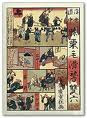
. sugoroku 双六 The Board Game Sugoroku .
- Introduction -
*****************************
Worldwide use
*****************************
Things found on the way
*****************************
HAIKU
ばらばらに花散る里や投扇興
barabara ni hana chiru sato ya toosenkyoo
scattered they fall,
the flowers of my hometown -
throwing fans competition
Ooshita Hideko 大下秀子
:::::::::::::::::::::::::::::::::::::::::::::::::::::::::::::::::::::::::::::::::::::::::::::::::::::
そのむかし十六むさし争ひし
sono mukashi juuroku musashi arasoishi
in olden times
the sixteen soldiers
fought bravely
Takizawa Iyoji 瀧澤伊代次
:::::::::::::::::::::::::::::::::::::::::::::::::::::::::::::::::::::::::::::::::::::::::::::::::::
碁に弱く十六むさし強きかな
go ni yowaku juuroku musashi tsuyoki kana
bad at the Go game -
Sixteen Soldiers is
my strong game
Ikenouchi Takeshi 池内たけし
*****************************
Related words
. Games and Toys in SPRING
. Games and Toys in SUMMER
. Games and Toys in AUTUMN
. Games and Toys in WINTER
.................................................................................
***** . NEW YEAR - KIGO for HUMANITY
. SAIJIKI - THE NEW YEAR
:::::::::::::::::::::::::::::::::::::::::::::::::::::::::::::::::::::::::::::::::::::::::::::::::::::
[ . BACK to DARUMA MUSEUM TOP . ]
[ . BACK to WORLDKIGO . TOP . ]
:::::::::::::::::::::::::::::::::::::::::::::::::::::::::::::::::::::::::::::::::::::::::::::::::::::
::::::::::::::::::::::::::::::::::::::::::::::::::::::::::::::::::::::::::::::::::::::::::::::::::::
Games and Toys for the New Year
***** Location: Japan
***** Season: New Year
***** Category: Humanity
*****************************
Explanation
New Year is a time for traditional games and traditional toys.
:::::::::::::::::::::::::::::::::::::::::::::::::::::::::::::::::::::::::::::::::::::::::::::::::::
hagoita battledore
.......................................................................
Ball game (temari 手毬 (てまり)
with a decorative cotton ball
song for the ball game 手毬唄(てまりうた temari uta)
Ball game for kicking (kemari 蹴鞠初め)
a court ritual
.......................................................................
Battledore, Shuttlecock (hagoita 羽子板)
.......................................................................
Card Games (karuta 歌留多) hanafuda, uta karuta.
toranpu トランプ trupm and many more
.......................................................................
coin-throwing game 穴一 (あないち) ana-ichi, anaichi
..... ana ichi 穴市(あないち)
..... ana ichi zeni 穴一銭(あないちぜに)coin for ana-ichi
This game was quite popular in Edo around 1740. Young people played it. A hole the size of a coin was carved in the ground and then from a distance you throw a coin or small ball in it.
coin for the ana-ichi game
. menko 面子・めんこ・メンコ playing cards .
used for anaichi
穴一のあなかしましや花の陰
ana-ichi no ana kashimashi ya hana no kage
an uproar 'round
the penny toss hole...
blossom shade
Shinji Ogawa notes that Issa is punning with the word ana, which can mean "hole" and "indeed." Hence, ana kashimashi denotes "the hole is noisy" and also "indeed noisy."
Buddhists maintain that there are "Six Ways" of possible future life reincarnation:
(1) as a sufferer in hell, (2) as a hungry ghost, (3) as an animal, (4) as an angry demon, (5) as a human being, or (6) as a heavenly being.
This haiku is poem 4 of a six-poem series on the Six Ways. Two versions of this series exist; one appears in the 1812 book, Kabuban, while the other was published posthumously by Issa's students in Issa hokku shû in 1829. The present haiku appears only in the original, 1812 version.
Referring to a gambler's game of throwing coins into a hole, Issa suggests that the loud gamblers are like angry demons--oblivious to the beauty of the blossoms above them.
In my essay, "At the Crossroads of Six Ways: A Haiku Buddhist Vision of Life, Death, and Everything," I stated that an unseen animal inside the hole raises the ruckus in the haiku. I now believe that the gamblers themselves are doing this.
David Lanoue
. Kobayashi Issa 小林一茶 in Edo .
.......................................................................
青柳や十づつ十の穴一に
aoyagi ya juu-zutsu juu no ana ichi ni
greening willow --
children toss shells
at ten different holes
This hokku is from lunar 2/19 (April 3) in 1809, when Issa was in Edo. It is about a children's game played by both boys and girls that was especially popular at and soon after New Year's. In the middle of the 18th century this traditional game began to be played with copper coins, and soon adults were using the coins for gambling, so coins were outlawed in 1806, three years before this hokku was written. Therefore I take the hokku to be about children playing just for fun. Though Issa doesn't mention the material, the most common objects used in the game in the Edo area were the round shells of sea snails, the hard berries of soapberry trees, small stones, and nuts.
In its simplest form, the object of the game was to toss a shell or similar round or semiround object into a round hole about four inches wide from behind a line drawn on the ground about three feet away. If your shell went into the hole, you got to take it out and keep it, but if it fell on the ground near the hole, you had to leave it there, and the next player had the option of trying to hit it directly with his or her shell. If the hit was successful, this player got to keep both shells, but if it failed, this shell, too, remained on the ground. The person who kept and gained the most shells was the winner. In the hokku ten holes are dug below or near a weeping willow tree, and shouting children run here and there below the low-hanging branches. There seems to be a reverberation between the long, greening branches of the early spring willow that descend like water in a fountain and the overall rhythm of ten tossing games going on at the same time, all filled to overflowing with young, freely flowing sound and motion rushing toward the future.
The most commonly accepted etymology for ana-ichi, 'tossing game' is that it is a variant of another name for the same game, ana-uchi, 'hitting the hole,' with -uchi becoming -ichi. For the pronunciation of the hokku, see the Index volume of Issa's Complete Works, p. 351. For the law against playing tossing games with coins, see Kadokawa Dai-Saijiki (1965) 1.271.
Chris Drake
. Kobayashi Issa 小林一茶 in Edo .
. rokudoo 六道 Six Realms of Existence .
::::::::::::::::::::::::::::::::::::::::::::::::::::::::::::::::::::::::::::::::::::::::::::::::::::
good luck pulling 福引 (ふくびき) fukubiki
..... waraikuji 笑籤(わらいくじ)"laughing lottery"
This started in the Kamakura period. Two people would pull at one mochi and the one who got the larger part would be lucky in the New Year.
Now it has turned into a kind of lottery for the New Year business.
. . . CLICK here for Photos !
hoobiki 宝引 (ほうびき) "pulling a treasure"
..... takarabiki 宝引 (たからびき)
..... hoobiki nawa 宝引縄(ほうびきなわ)
tsuji hoobiki 辻宝引(つじほうびき)
ame hoobiki 飴宝引(あめほうびき) pulling for a sweet
doofuguri 胴ふぐり(どうふぐり)
hoobiki zeni 宝引銭(ほうびきぜに)coin
A kind of fukubiki that became popular during the Muromachi period. Many strings with just one of them holding a "treasure" were put out for drawing. The one who got the "treasure" had good luck in the New Year. The treasure was just a small toy or a mochi. It was alos done at the crossroads (tsuji hoobiki) and you had to pay some money (hoobiki zeni) to take your turn.
宝引き pulling your good luck
::::::::::::::::::::::::::::::::::::::::::::::::::::::::::::::::::::::::::::::::::::::::::::::::::::
gichoo 毬打 (ぎちょう ぎっちょう) gicho,
"old-type cricket game"
..... gichoo 毬杖(ぎちょう)
..... tamauchi, tama-uchi )玉打(たまうち) "hitting the ball"
dakyuu 打毬(だきゅう
A toy with a wooden ball and a hammer with eight corners and a long handle to hit the ball. Two teams each on one side of the line play it. The ball is thrown in the air and has to be hit by the other team.
An old game since the Heian period. Since the Edo period, small versions of the tools have been used as decorations only.
buriburi 振振 (ぶりぶり) buriburi game
..... buriburi gichuu 振振毬打(ぶりぶりぎっちょう)buriburi hammer
..... bamaburi 玉振振(たまぶりぶり)buriburi ball
This is similar to gichuu, but only the hammer is now used as a decoration.
During the Edo period, paintings of doves or tortoise were painted on the hammer and children would pull it behind themselves along the ground.
::::::::::::::::::::::::::::::::::::::::::::::::::::::::::::::::::::::::::::::::::::::::::::::::::::
Fan-throwing competition
投扇興 ( とうせんきょう) toosenkyoo
toosen 投扇(とうせん)oogi nage 扇投(おうぎなげ)
Fan (oogi 扇 uchiwa 団扇)
:::::::::::::::::::::::::::::::::::::::::::::::::::::::::::::::::::::::::::::::::::::::::::::::::::::


poppen, hoppen ぽっぺん / ポッペン glass ball plopping
..... pokon pokon ぽこんぽこん
A glass ball on a pipe with a very thin bottom had to be brought to make a plopping sound. This was heared as "hoppen"or "poppen" in Osaka, "pokon pokon" in Tokyo, "pekon pekon" in Kyushu.
The glass balls are also known as "biidoro ビードロ", from the Portugese vidro.
. . . CLICK here for VIDRO Photos !
Popen o fuku musume ポペンを吹く娘 Girl blowing a "Poppen" glass
喜多川歌麿 Kitagawa Utamaro
. garasu ku 硝子工 glass blowers in Edo .
. Toys, Art and Craft from Nagasaki .
. Kobe poppen 神戸ポッペン popping glass .
. Edo no bijin 江戸の美人 the beauties of Edo .
:::::::::::::::::::::::::::::::::::::::::::::::::::::::::::::::::::::::::::::::::::::::::::::::::::::
Laughing, Lucky Laugh, fuku warai 福笑い (ふくわらい)
okametsuke おかめつけ
:::::::::::::::::::::::::::::::::::::::::::::::::::::::::::::::::::::::::::::::::::::::::::::::::::::
"sixteen soldiers"
十六むさし (じゅうろくむさし)juuroku musashi
十六目石(じゅうろくむさし)
juuroku sasukari 十六さすかり(じゅうろくさすかり)
musashi sasukari むさしさすかり
Sixteen Musashi , Juroku Musashi
A board game with 16 pieces (warriors) and a central figure called Benkei (the Strong Monk).Benkei must be pushed into a corner, where he can not move any more. But he has the power to topple the warrior stones as his defence.
This game was rather popular in the 17th century.
There are some famous woodblock prints with this theme.
Click the image to see some.

http://www.kabuki-za.co.jp/info/tosyo/no8.html
Kimono for a Kabuki play for the heroine Tachibana Princess
橘姫 / 妹背山婦女庭訓 Imoseyama onna teikin
When she meets her younger sister, they are not supposed to know each other and just can play a game of Juroku Musashi.
WKD
Musashibo Benkei 武蔵坊弁慶 Benkei, the Warrior-Monk from Musashi
Reference
:::::::::::::::::::::::::::::::::::::::::::::::::::::::::::::::::::::::::::::::::::::::::::::::::::::
Spinning top, tops (koma 独楽(コマ)) Kreisel
:::::::::::::::::::::::::::::::::::::::::::::::::::::::::::::::::::::::::::::::::::::::::::::::::::::

Sugoroku board with the IROHA alphabet
sugoroku 双六 (すごろく) Sugoroku board game
e sugoroku 絵双六(えすごろく)with pictures
kami sugoroku 紙双六(かみすごろく)
doochuu sugoroku 道中双六(どううちゅうすごろく)with pictures from the 53 stations of the Tokaido Road
. sugoroku 双六 The Board Game Sugoroku .
- Introduction -
*****************************
Worldwide use
*****************************
Things found on the way
*****************************
HAIKU
ばらばらに花散る里や投扇興
barabara ni hana chiru sato ya toosenkyoo
scattered they fall,
the flowers of my hometown -
throwing fans competition
Ooshita Hideko 大下秀子
:::::::::::::::::::::::::::::::::::::::::::::::::::::::::::::::::::::::::::::::::::::::::::::::::::::
そのむかし十六むさし争ひし
sono mukashi juuroku musashi arasoishi
in olden times
the sixteen soldiers
fought bravely
Takizawa Iyoji 瀧澤伊代次
:::::::::::::::::::::::::::::::::::::::::::::::::::::::::::::::::::::::::::::::::::::::::::::::::::
碁に弱く十六むさし強きかな
go ni yowaku juuroku musashi tsuyoki kana
bad at the Go game -
Sixteen Soldiers is
my strong game
Ikenouchi Takeshi 池内たけし
*****************************
Related words
. Games and Toys in SPRING
. Games and Toys in SUMMER
. Games and Toys in AUTUMN
. Games and Toys in WINTER
.................................................................................
***** . NEW YEAR - KIGO for HUMANITY
. SAIJIKI - THE NEW YEAR
:::::::::::::::::::::::::::::::::::::::::::::::::::::::::::::::::::::::::::::::::::::::::::::::::::::
[ . BACK to DARUMA MUSEUM TOP . ]
[ . BACK to WORLDKIGO . TOP . ]
:::::::::::::::::::::::::::::::::::::::::::::::::::::::::::::::::::::::::::::::::::::::::::::::::::::
Subscribe to:
Posts (Atom)


 Posts
Posts


