::::::::::::::::::::::::::::::::::::::::::::::::::::::::::::::::::::::::::::::::::::::::::::::::::::
THE BIRD SAIJIKI
::::::::::::::::::::::::::::::::::::::::::::::::::::::::::::::::::::::::::::::::::::::::::::::::::::
Many birds have various kigo during all seasons, according to their mating, breeding or migrating behaviour.
Check about a bird in question through all seasons
by using your own browser.
Some common bird names, like FINCH, come in many families and sub-species during various seasons.
So FINCH like this is used as a topic, whereas the specific name, like BULLFINCH, is listed in its season as a kigo.
::::::::::::::::::::::::::::::::::::::::::::::::::::::::::::::::::::::::::::::::::::::::::::::::::::
autumn memories -
the sound of birds
long extinct
Gabi Greve, 2010
Some are extinct due to natural events,
some got extinct recently due to the acitvities of human beings . . .
::::::::::::::::::::::::::::::::::::::::::::::::::::::::::::::::::::::::::::::::::::::::::::::::::::
The complete BIRD SAIJIKI
BIRDS of BHUTAN - SAIJIKI
BIRDS of the PHILIPPINES - SAIJIKI
BIRDS of YEMEN - SAIJIKI
::::::::::::::::::::::::::::::::::::::::::::::::::::::::::::::::::::::::::::::::::::::::::::::::::::
Birds during all seasons
. Mynah bird, myna (Fam. Sturnidae) . India
. Penguin in Antarctica .
. Sunbird, sunbirds . India
The complete BIRD SAIJIKI
::::::::::::::::::::::::::::::::::::::::::::::::::::::::::::::::::::::::::::::::::::::::::::::::::::
Birds of SPRING ***** Location: Japan ***** Season: All Spring ..................... others are stated ***** Category: Animal ***************************** Explanation We have some nice kigo about these early birds of spring, twittering happily in the bamboo groves and rushes. It could be any kinds of birds, including turtledove and cuckoo. a thousand little birds, momochidori 百千鳥 (ももちどり) momochi 百千, means "one hundred and one thousand, a lot! "ten myriad birds" , "many baby birds", "all sorts of birds, hundreds (and thousands) of birds" birds calling in springtime, yobukodori 呼子鳥 (よぶこどり) Yobukodori was the name of a famous Geisha around 1777. These words have already been used in the poetry collection Manyo-Shu. They do not define a certain kind of bird, but different kinds of small birds, twittering happily in springtime. birds of spring, haru no tori 春の鳥 (はるのとり) ..... shunkin 春禽(しゅんきん) "blossoms and birds", hanadori 花鳥 (はなどり ) ..... hana ni tori 花に鳥 spring birds, beautiful birds, kaodori 貌鳥、顔鳥 ( かおどり) ..... kaoyodori 貌よ鳥(かおよどり), kaodori 容鳥(かおどり), hakodori 杲鳥 、箱鳥(はこどり) Already mentioned in the old poetry almanachs of the Heian period, but their true identity is not clear. Maybe a form of cuckoo. 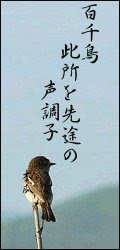 twittering of birds, chirping, warbling, saezuri 囀 (さえずり) birdsong ... saezuru 囀る(さえずる)birds singing, chirping etc. morning meditation - his gentle snore and birdsong Gabi Greve, April 2009 early morning - the healing power of birdsong Gabi Greve, July 2007 ::::::::::::::::::::::::::::::::::::::::::::::::::::::::::::::::::::::::::::::::::::::::::::::::::::: birds coupling, tori sakaru 鳥交る (とりさか) kigo for late spring ..... tori tsurumu 鳥つるむ(とりつるむ), tori, tsugau 鳥つがう(とりつがう) "bird loving his wife", tori no tsumagoi 鳥の妻恋(とりのつまごい) sparrow coupling, suzume sakaru 雀交る(すずめさかる) dance of the cranes, tsuru no mai 鶴の舞(つるのまい) 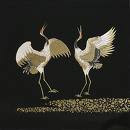 Bird's Nest (tori no su 鳥の巣) many types birds leaving the nest, sudachidori 巣立ち鳥 (すだちどり) kigo for late spring ..... sudachi 巣立(すだち) parent bird, oyadori 親鳥(おやどり) child bird, kodori 子鳥(こどり) ::::::::::::::::::::::::::::::::::::::::::::::::::::::::::::::::::::::::::::::::::::::::::::::::::::: Birds of Spring as KIGO black neck cranes Bhutan Bullfinch, uso 鷽 (うそ) Usokae うそ替え / 鷽替え exchanging carved bullfinches Bunting, Japanese bunting, hoojiro 頬白 (ほおじろ) crane leaving, hiki zuru 引鶴 (ひきづる) see: Crane, Grus japonensis (tsuru) Japan and other migrating birds leaving ::::::::::::::::::::::::::::::::::::::::::::::::::::::::::::::::::::::::::::::::::::::::::::::::::: Duck migrating, hikigamo 引鴨 (ひきがも) kigo for mid-spring Duck going back home, kamo kaeru 鴨帰る(かもかえる) ..... yuku kamo 行く鴨(ゆくかも) duck staying back 残る鴨 (のこるかも) kigo for late spring duck in spring, haru no kamo 春の鴨(はるのかも) 春雨や喰れ残りの鴨が鳴 harusame ya kuware-nokori no kamo ga naku spring rain -- the uneaten ducks are quacking A sensuous, joyous haiku. The ducks have survived the winter, which suggests that some of their comrades ended up in cooking pots. Tr. David Lanoue . Kobayashi Issa 小林一茶 - Introduction . Ducks in all seasons - kigo - ::::::::::::::::::::::::::::::::::::::::::::::::::::::::::::::::::::::::::::::::::::::::::::::::::: Goose, geese (kari, gan) in various kigo Goldcrest, kikuitataki 菊戴 (きくいただき) ... matsumushiri 松毟鳥(まつむしり) Greenfinch, oriental Greenfinch, kawarahiwa 河原鶸 (かわらひわ) Gull, Black-tailed gull, umineko gull migrating, umineko wataru 海猫渡る (うみねこわたる) kigo for mid-spring gome wataru ごめ渡る(ごめわたる) Black-tailed gull in autumn kigo Himalayan Bearded Vulture chicks India Gypaetus barbatus aureus Lark (hibari) Nightingale, bush warbler (uguisu) Pheasant (kiji) "mountain bird" , yamadori 山鳥 (やまどり) Quail, "barley quail", mugi uzura 麦鶉 (むぎうずら) late spring "calling each other", aiu 合生(あいう) "calling HIHI", hihi naki ひひ鳴き(ひひなき) The mail calls: guaa gururu, then the female calls: hihi and the male answers: hihi . Quail (uzura) and related kigoJapan Redwings mating North America Redwing (Turdus iliacus) sparrow babies, suzume no ko 雀の子 (すずめのこ) see Sparrow (suzume, Japan) Shrike, butcher-bird in spring, haru no mozu 春の鵙 (はるのもず) Shrike in autumn Swallow (tsubame, Japan) ***************************** Worldwide use Yemen Birds of Spring in Yemen ***************************** Things found on the way Momochidori - Myriades d'oiseaux Illustrations by Utamaro 喜多川 歌麿 source : Momo chidori kyōka awase - 1791 or 1792 ( 1 ) source : Momo chidori kyōka awase - 1791 or 1792 ( 2) ***************************** HAIKU 蠕蝠も出ようき世花に鳥 koomori mo ideyo ukiyo no hana ni tori even bats come out to this floating world of blossoms and birds Matsuo Basho 蝙蝠 Tr. Gabi Greve . Matsuo Basho 松尾芭蕉 - Archives of the WKD . ::::::::::::::::::::::::::::::::::::::::::::::::::::::::::::::::::::::::::::::::::::::::::::::::::::: waga kokoro takayuku toki ya momochidori as my heart goes soaring off - ten myriad birds Ogawa Yoshino momochidori ... hearing something that sounds as though a hundred thousand small birds had swarmed together to make a concert. Tr. William J. Higginson ::::::::::::::::::::::::::::::::::::::::::::::::::::::::::::::::::::::::::::::::::::::::::::::::::::: 百千鳥 餌はあげずも 元気良し momochidori esa wa agezu mo genki yoshi a myriad spring birds - even if I do not feed them they are so happy © ichiraku いちらく Tr. Gabi Greve |
ABC Checklist of the Birds of Japan / External Reference
:::::::::::::::::::::::::::::::::::::::::::::::::::::::::::::::::::::::::::::::::::::::::::::::::::

Mongolia
- Shared by Zaya Nergui -
Joys of Japan, 2012
THE BIRD SAIJIKI
***** .. Birds of Spring Japan
***** .. Birds of Summer Japan
***** .. Birds of Autumn Japan
***** .. Birds of Winter and New Year Japan
The complete BIRD SAIJIKI
BIRDS of BHUTAN - SAIJIKI
BIRDS of the PHILIPPINES - SAIJIKI
BIRDS of YEMEN - SAIJIKI
:::::::::::::::::::::::::::::::::::::::::::::::::::::::::::::::::::::::::::::::::::::::::::::::::::












 Posts
Posts


